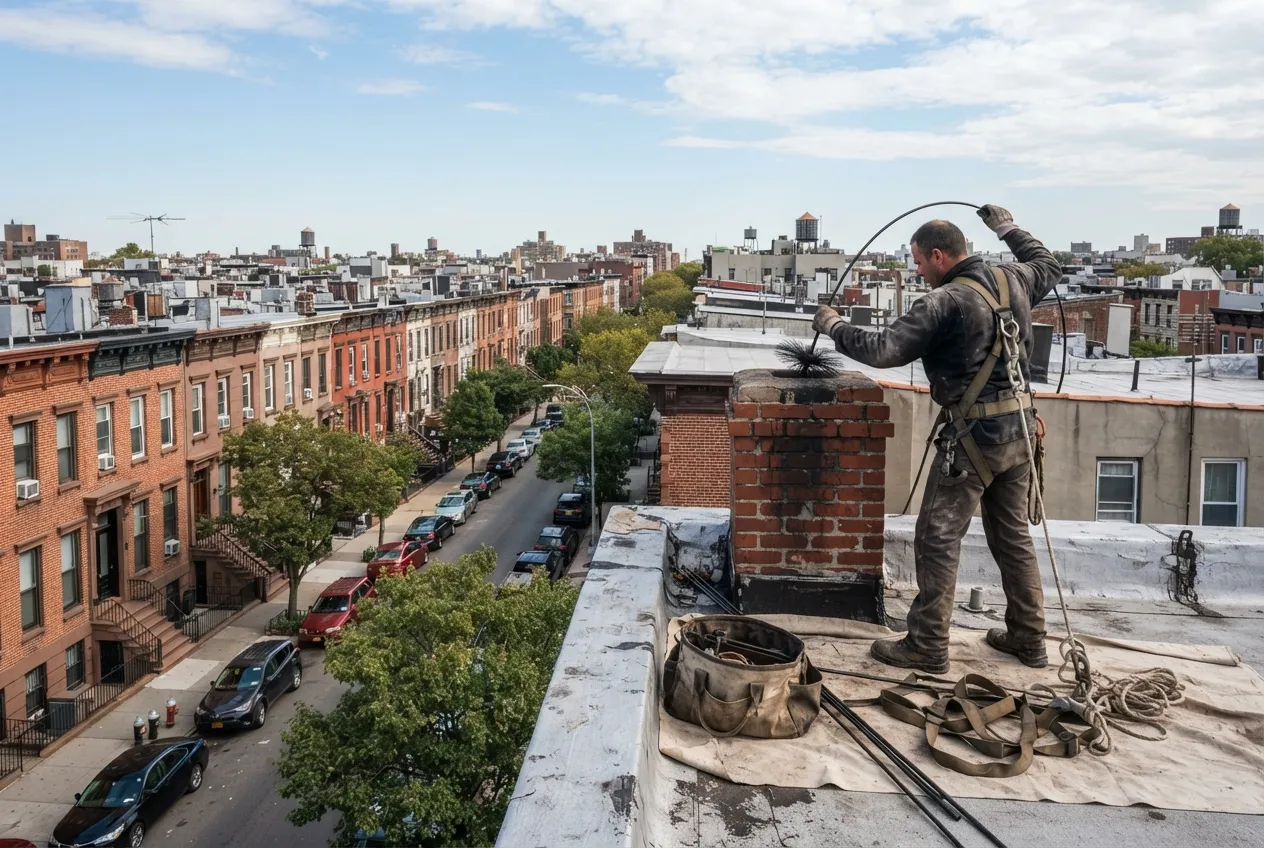
The short answer
Bergen Beach homes usually need a new chimney liner after an oil-to-gas boiler conversion, a heating appliance replacement, or when an inspection finds a damaged or missing flue lining. Our certified technicians inspect the chimney, size a liner to the appliance it serves, install it, and confirm it's venting properly.
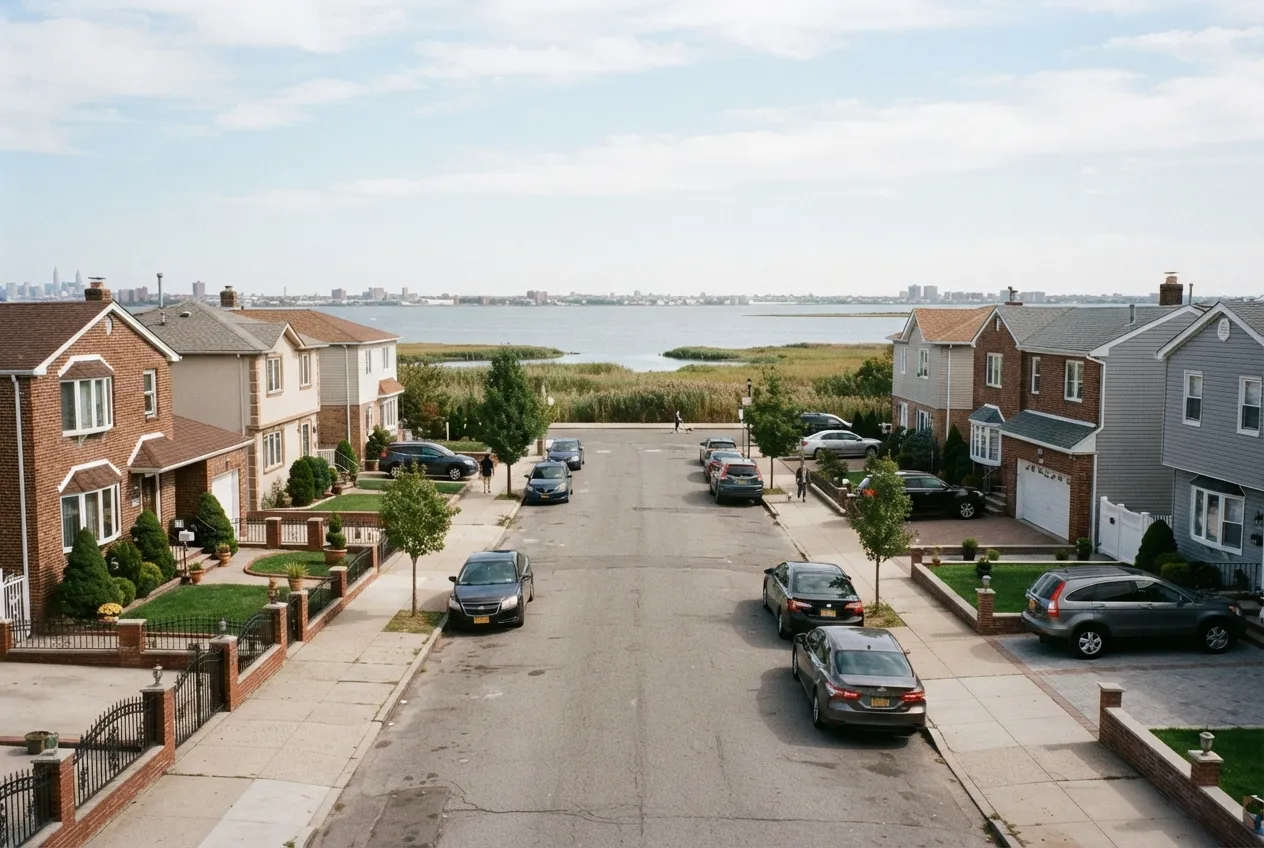
Bergen Beach is about a mile southeast of our Brooklyn office, so liner work here is close to home for our crew. Much of the neighborhood is detached and semi-detached houses and attached brick homes. Many of them are heated by a boiler or furnace that vents through a masonry chimney. When that flue is cracked, unlined, or sized for an appliance that's no longer there, a properly fitted liner can make it safe to use again. This page covers when Bergen Beach homeowners usually need a liner, the types we install, and how the job runs from inspection to final check.
Why Liner Work Comes Up in Bergen Beach Homes
Many chimneys in this part of Brooklyn were built for oil heat or for appliances much larger than what's installed today. The masonry flue may still look solid from the roof, but the inside tells a different story. Mortar joints wear out, clay tiles crack, and some older chimneys were never lined at all.
Fuel conversions are the most common reason we get called. When a New York City building converts its boiler from oil to gas, the chimney has to be evaluated as part of the work. A new liner is often needed because gas exhaust produces acidic condensate that can corrode a masonry flue. A liner that's made for gas and sized to the new boiler keeps that moisture and exhaust contained and moving up and out.
Replacing a boiler, furnace, or water heater can also trigger liner work, even if the fuel stays the same. A newer appliance may produce cooler exhaust or need a smaller flue than the old one. An oversized flue can cause poor draft and more condensation.
Signs Your Chimney May Need a Liner
Some problems only show up during an inspection, but a few warning signs are worth calling about:
- You're converting from oil to gas or replacing a boiler, furnace, or water heater
- Flakes of tile, mortar, or rust collecting at the base of the chimney or in the cleanout
- White staining or damp patches on the chimney, inside or out
- Exhaust smells or a carbon monoxide alarm going off near heating equipment
- Poor draft, or exhaust spilling back at the appliance
- An inspection report noting cracked tiles, gaps, or an unlined flue
Liner Types We Install
Stainless steel is the most common choice for the boilers, furnaces, and water heaters in Bergen Beach homes. Flexible stainless liners work well in chimneys with offsets or slight bends. Rigid sections suit straight runs. The right alloy and diameter depend on the fuel, the appliance's venting requirements, and the manufacturer's instructions.
For wood-burning fireplaces, the right liner depends on the flue's size and shape and on how the fireplace is used. After the inspection, we explain the options that fit your chimney and why we recommend one over another. Where it's called for, we add insulation around the liner. Insulation helps exhaust stay warm enough to draft well and reduces condensation.
Time for your annual chimney check?
How Installation Works
Every job starts with an inspection. The NFPA 211 standard calls for chimneys, fireplaces, and vents to be inspected once a year. It treats a change to the system, such as a new appliance or a switch of fuel, as a reason for a Level 2 inspection. That's the level we typically perform before a liner goes in, including a camera look inside the flue. If a hidden hazard has to be reached by opening part of the chimney or building, that's a Level 3 inspection, and we'll discuss it with you first.
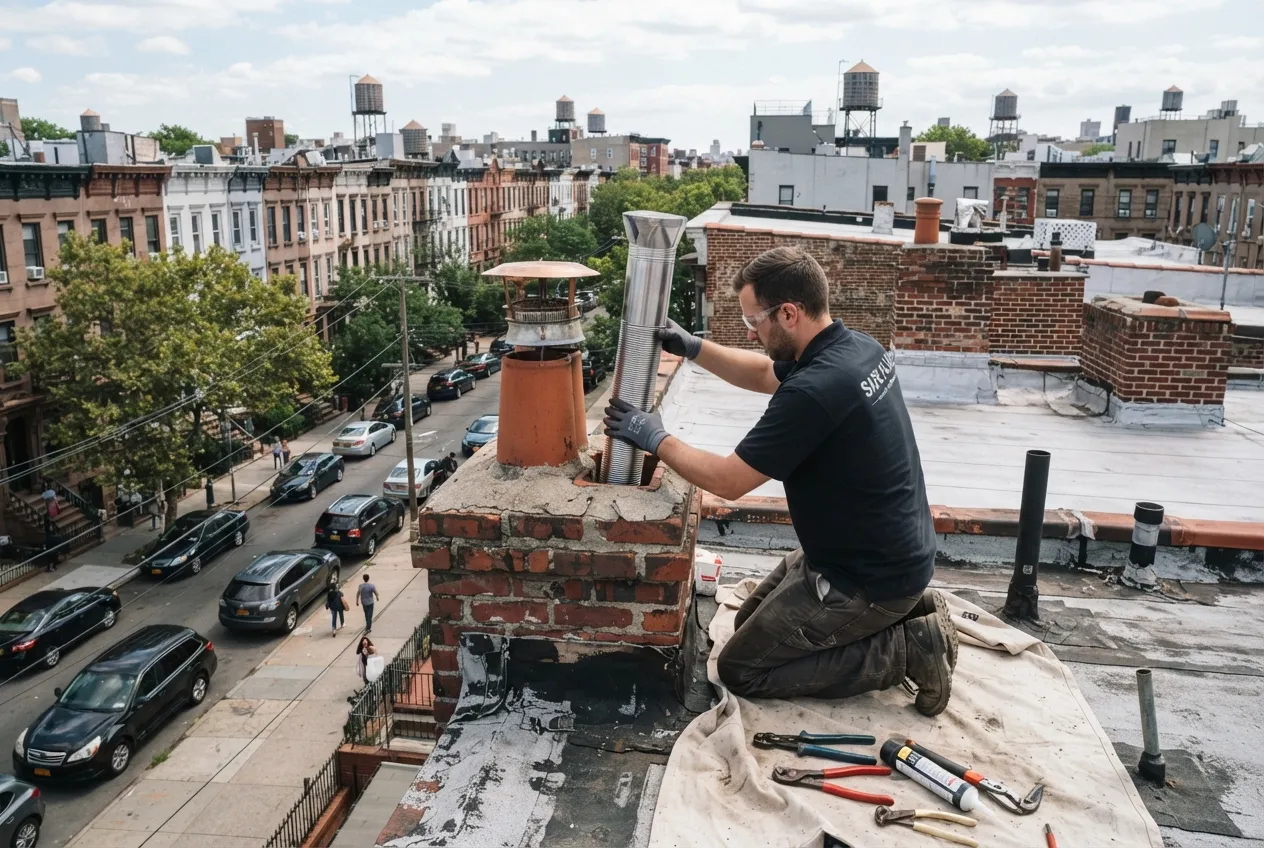
Next we measure the flue and match the liner size to the appliance. We clear any debris or obstructions and run the liner from the top of the chimney down to the appliance connection. Then we seal the top, fit a cap, and connect the bottom. Before we leave, we check the draft and confirm the appliance is venting the way it should.
Timing matters in New York City. Heat season runs from October 1 through May 31, when building owners must keep apartments heated to the city's minimum temperatures. If you rent out part of your home, plan conversions and liner work so the heat isn't down when tenants need it. If you can, schedule a planned conversion for the warmer months.
Serving Bergen Beach and Nearby Neighborhoods
We install chimney liners throughout Bergen Beach (ZIP 11234). We also work in the neighboring areas of Marine Park, Mill Basin, Flatlands, Madison, and Canarsie. Many homes in these neighborhoods share the same mix of brick construction, aging masonry flues, and heating upgrades, so the questions we answer here come up across this whole corner of Brooklyn.
More services in Bergen Beach
- Chimney Sweep in Bergen BeachLocal service & repairs
- Chimney Inspection in Bergen BeachLocal service & repairs
- Chimney Repair in Bergen BeachLocal service & repairs
- Air Duct Cleaning in Bergen BeachLocal service & repairs