The short answer
Madison homes often need a new chimney liner when the old flue is cracked or deteriorated, or when a boiler or furnace is replaced or converted from oil to gas. We inspect the chimney, size a liner to the appliance it serves, and install it so exhaust leaves the house safely.
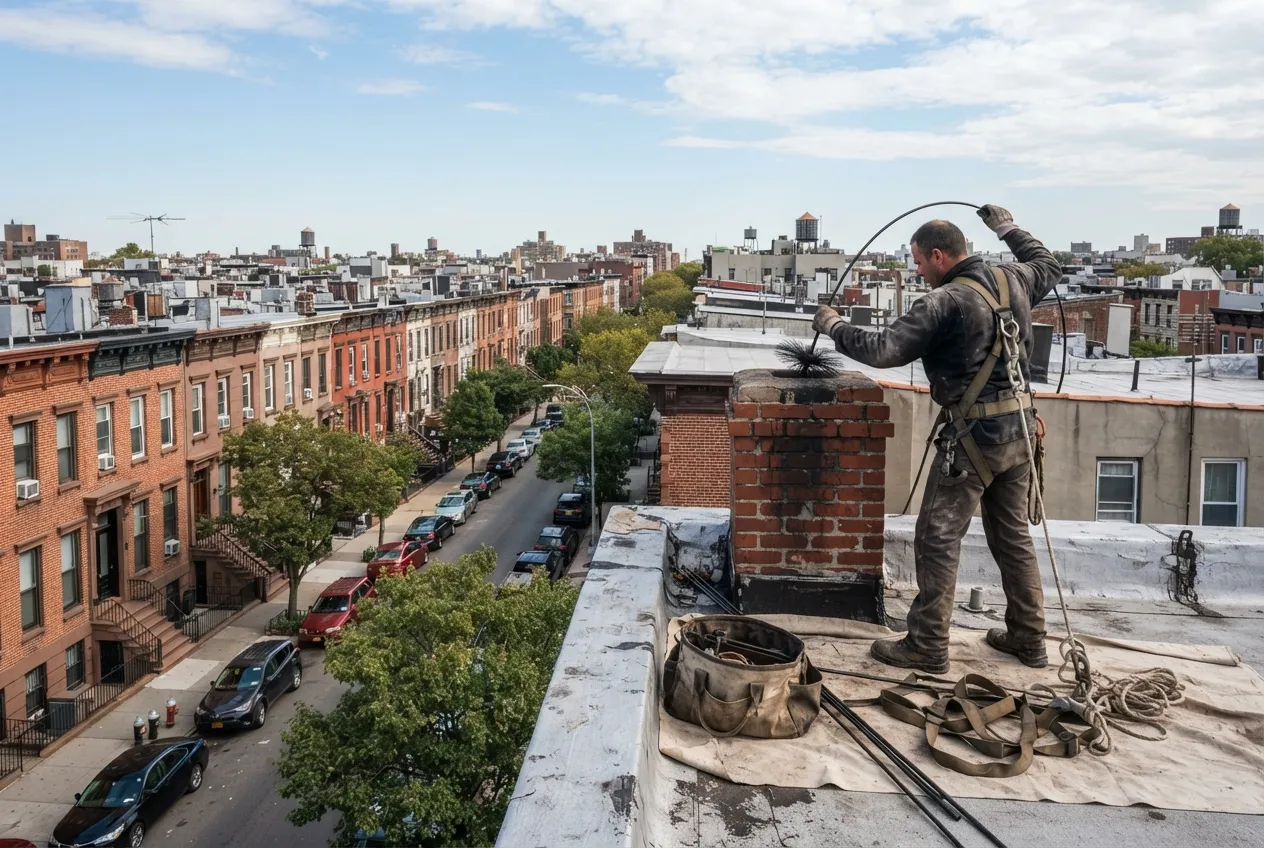
A chimney liner is the protective channel inside your flue that carries smoke and exhaust gases out of the house and keeps heat and corrosive byproducts away from the surrounding brick and mortar. In Madison, many homes have masonry chimneys that have served oil boilers, gas furnaces, water heaters or wood fireplaces for decades, and the original clay tiles or bare brick inside may be cracked, eroded or the wrong size for the equipment they now vent. ApexHearth Chimney Services installs new liners for homes in Madison and the 11229 area, about 2 miles southwest of our Brooklyn office. Our certified technicians inspect the flue first, explain what we find, and recommend a liner that fits both your chimney and the appliance connected to it.
Why Madison Chimneys Need New Liners
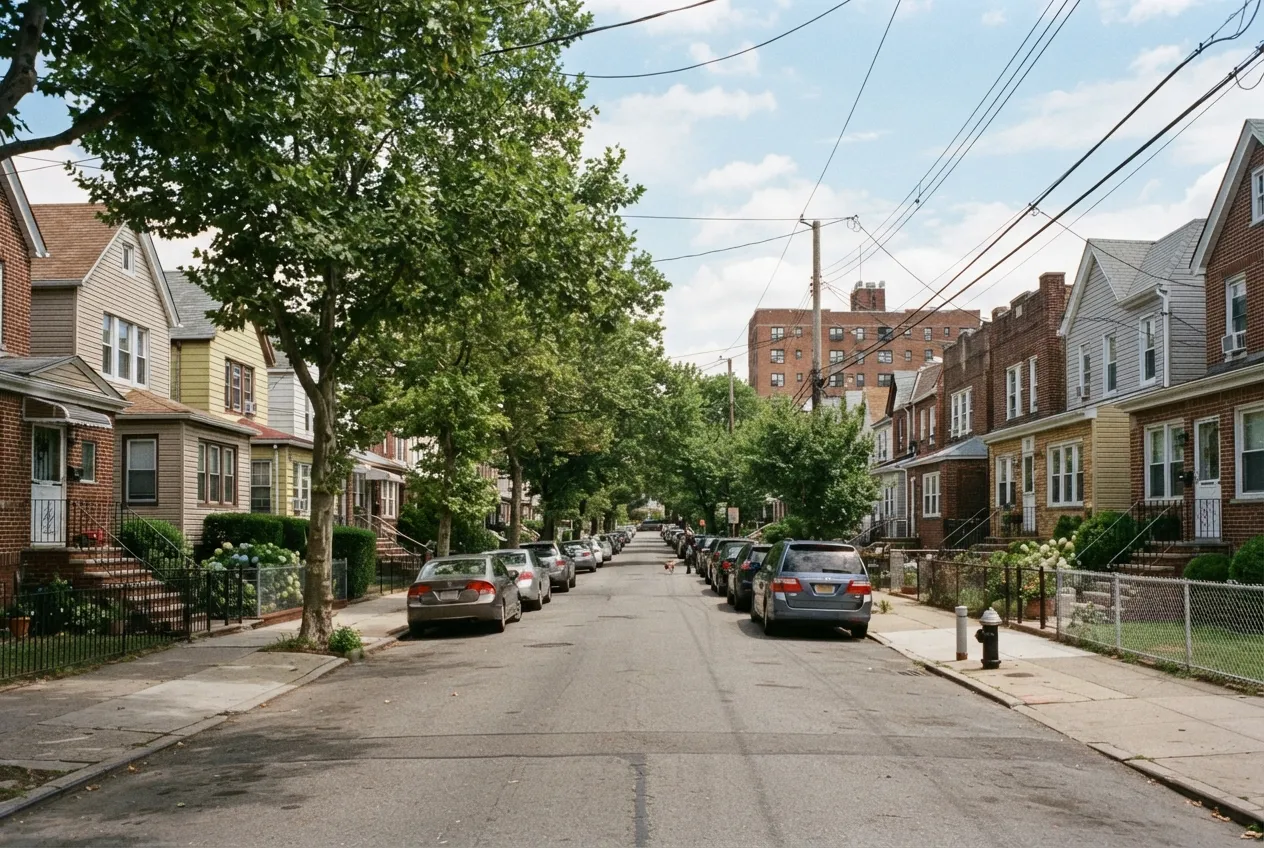
Madison's housing is a mix of detached and semi-detached houses, attached rowhouses, two-family homes and small apartment buildings. Many have masonry chimneys built long before today's high-efficiency heating equipment, and those flues were sized for older, larger appliances. When a modern boiler or furnace vents into an oversized flue, the exhaust cools before it exits, moisture condenses on the inside walls, and that water slowly breaks down tile and mortar.
Age and weather play a part too. Years of freeze-thaw cycles, heat from regular use and water entering through a worn crown or missing cap can crack clay tiles or leave gaps between them. Gaps in a flue let heat and gases reach the brick and the framing around it, which is the main reason a damaged liner should be repaired or replaced rather than ignored.
Oil-to-Gas Conversions and Liner Requirements
Many Brooklyn homes and buildings are switching their boilers from oil to gas. In New York City, the chimney has to be evaluated as part of a conversion, and a new liner is often needed. Gas exhaust produces acidic condensate that can corrode a masonry flue designed for oil, so a liner that resists that condensate is usually the safest path.
If you are planning a conversion, it helps to bring us in early. We can evaluate the chimney while your heating contractor is planning the new equipment, so the liner can be sized to the new appliance and the work can be coordinated instead of delaying the job at the end.
Liner Options We Install
The right liner depends on what the flue serves, its condition and its dimensions. We explain the trade-offs before any work begins.
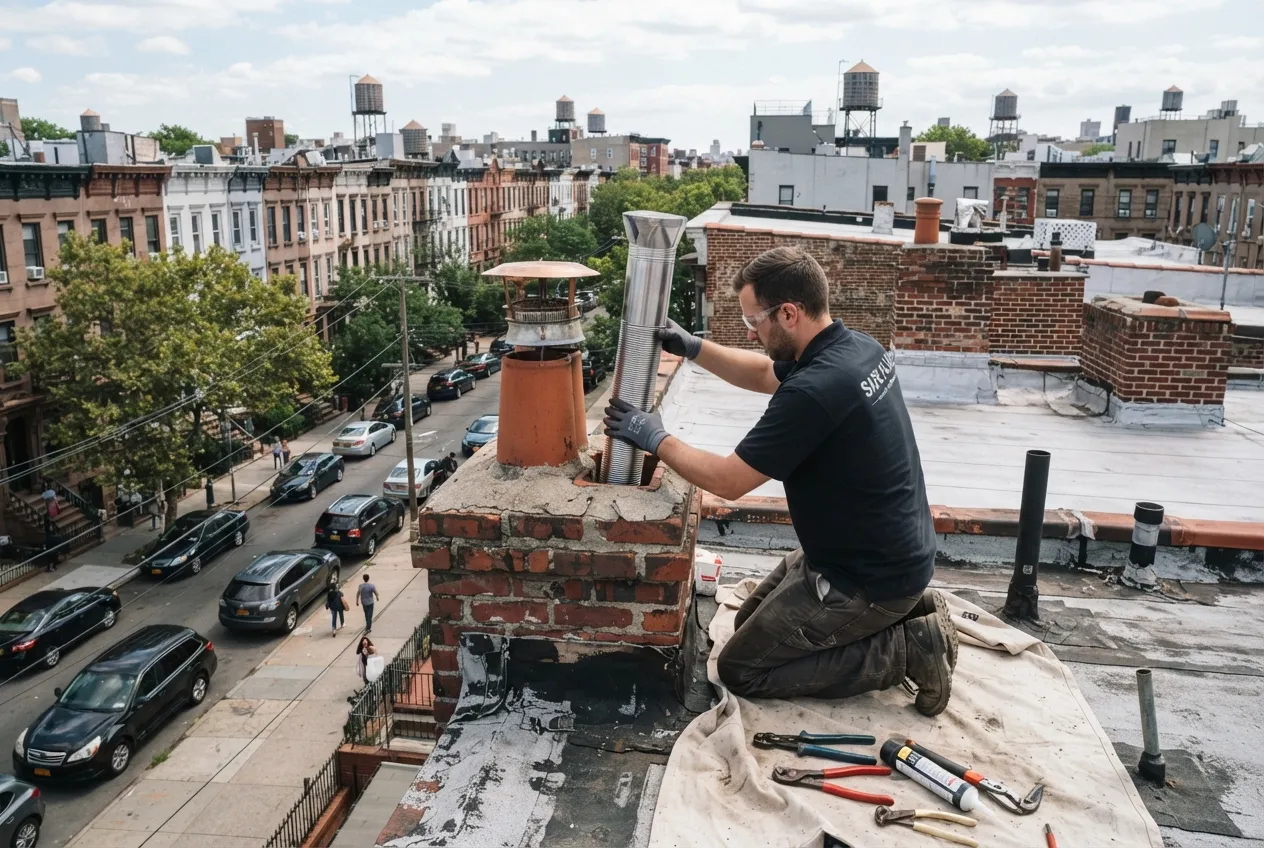
- Stainless steel liners: the most common choice for gas and oil appliances and for many wood-burning fireplaces and stoves; they can be sized closely to the appliance and fit through flues with offsets
- Insulated stainless liners: used where extra insulation helps keep exhaust warm and reduce condensation, or where clearances call for it
- Cast-in-place liners: a mortar-like material poured around a form inside the chimney, which can also help stabilize older masonry
- Clay tile replacement: used in some rebuild situations, often when a section of chimney is being rebuilt anyway
Time for your annual chimney check?
How Our Installation Works
Every liner job starts with an inspection. The NFPA 211 standard calls for chimneys, fireplaces and vents to be inspected once a year, and it describes three levels. A Level 2 inspection applies when the system changes, such as a new appliance or a switch of fuel, or when a home is sold, and it typically includes a camera scan of the flue. If a hidden problem has to be reached by opening part of the chimney or building, that is a Level 3 inspection.
After the inspection, we confirm the liner type and size, clean the flue, and install the liner from the top of the chimney down. We connect it to the appliance, seal the top with a cap and fitting, and check that the system drafts properly. You get photos or video and a clear written explanation of what was done.
Timing Around the Heating Season
New York City's heat season runs from October 1 through May 31, when building owners must keep apartments heated to the city's minimum temperatures. If you own a two-family home or small building in Madison with tenants, a liner problem discovered in winter can put that heat at risk. Scheduling an inspection and any liner work in late spring or summer gives you time to plan without pressure. We also serve nearby Sheepshead Bay, Manhattan Beach, Gerritsen Beach, Midwood and Marine Park.
More services in Madison
- Chimney Sweep in MadisonLocal service & repairs
- Chimney Inspection in MadisonLocal service & repairs
- Chimney Repair in MadisonLocal service & repairs
- Air Duct Cleaning in MadisonLocal service & repairs