The short answer
Yes, ApexHearth serves Spring Creek, about 3 miles from our Brooklyn office, with chimney sweeping, inspection, repair, liners, rebuilding, and dryer vent and air duct cleaning. Most chimney problems here start with moisture from coastal weather and freeze-thaw cycles, so a yearly inspection before heat season is the best place to start.
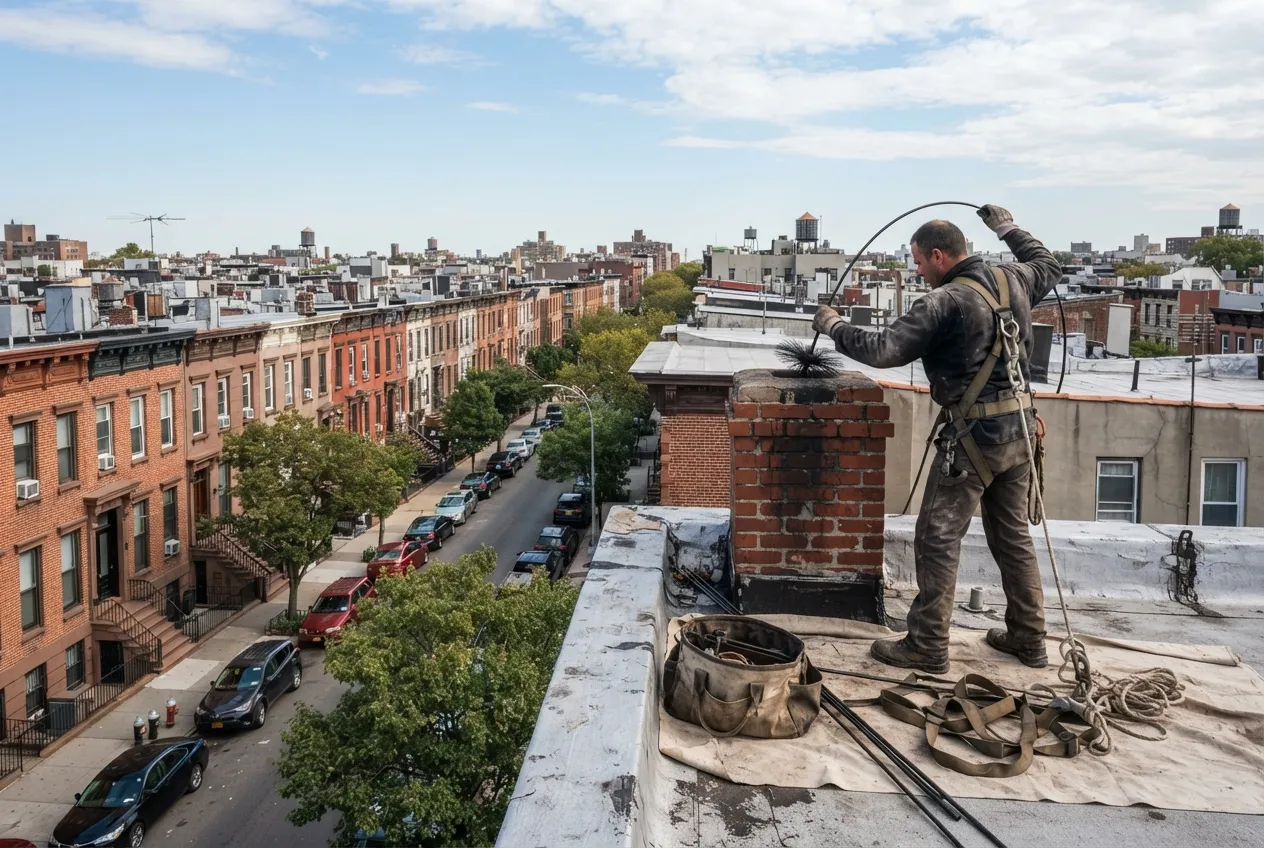
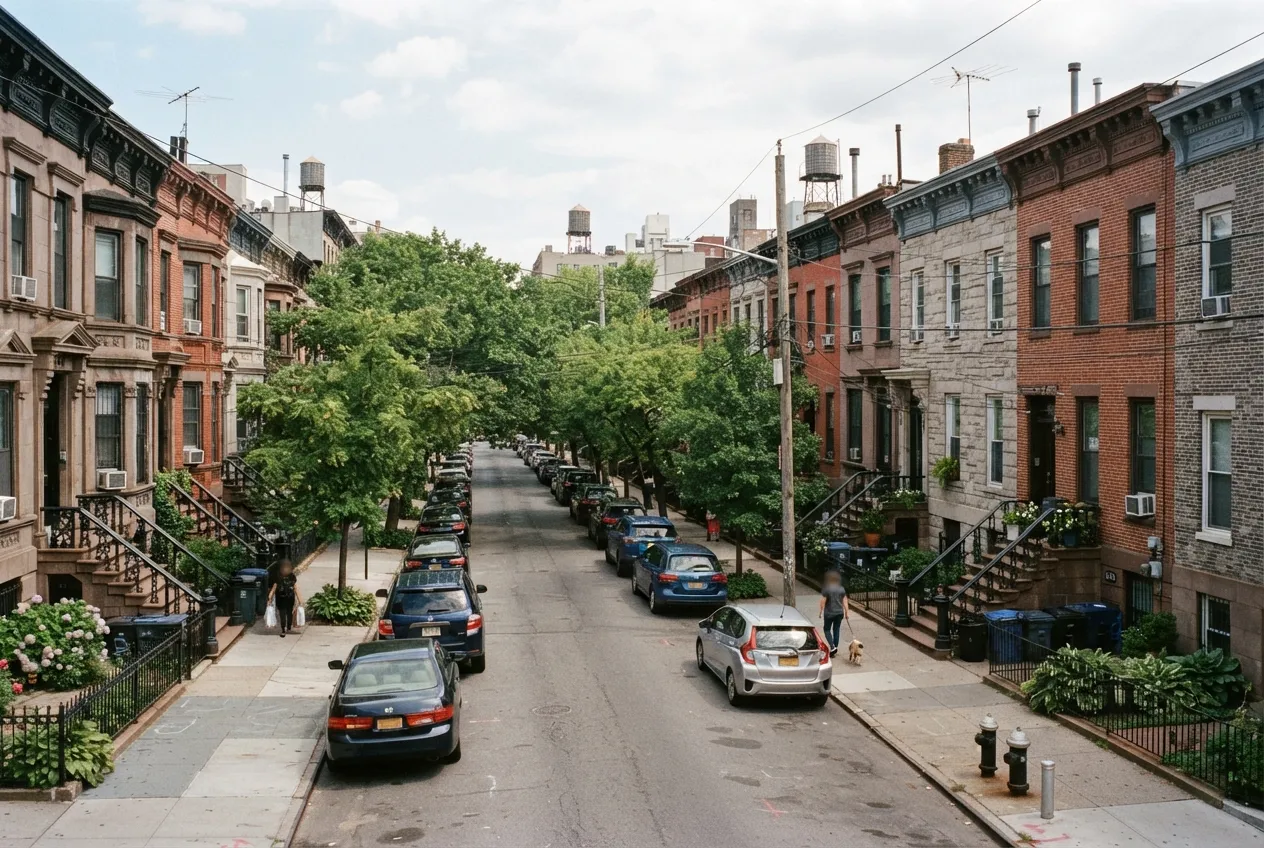
ApexHearth Chimney Services works throughout Spring Creek, a neighborhood in southeast Brooklyn about 3 miles northeast of our Brooklyn office. Because we're close by, we can schedule inspections, sweeps and repairs without a long wait and return easily for follow-up work. Spring Creek's housing includes attached rowhouses, semi-detached and detached homes, and larger apartment buildings. Each type has its own chimney, vent and duct concerns, from shared party walls to long boiler flues. Our certified technicians clean, inspect and repair fireplaces, heating chimneys, dryer vents and air ducts here. We also serve the nearby neighborhoods of Canarsie, East Flatbush, Flatlands, Marine Park and Mill Basin.
How Southeast Brooklyn Weather Wears on Spring Creek Chimneys
Spring Creek is in the coastal part of Brooklyn, so chimneys here deal with damp, salty air, wind-driven rain during nor'easters, and repeated freezing and thawing through the winter. Water that soaks into brick and mortar expands when it freezes. Over several seasons, that loosens mortar joints, cracks concrete crowns and lets moisture reach the flue. Humid summers then keep masonry damp longer than it would be in a drier climate.
Most of the damage we find starts with water getting in from the top of the chimney or through the masonry itself. Stopping water early is usually far less disruptive than repairing it later. That's why these services make up much of our work in the neighborhood:
- Chimney Cap & Chase Cover: keeps rain, debris, birds and animals out of the flue.
- Chimney Waterproofing: a vapor-permeable treatment that helps brick shed water while still letting it dry out.
- Chimney Repair: repointing worn mortar joints, repairing crowns and sealing flashing leaks where the chimney meets the roof.
- Chimney Rebuilding: for stacks where the brick has become too loose, leaning or damaged to repair.
Yearly Inspections Before Heat Season
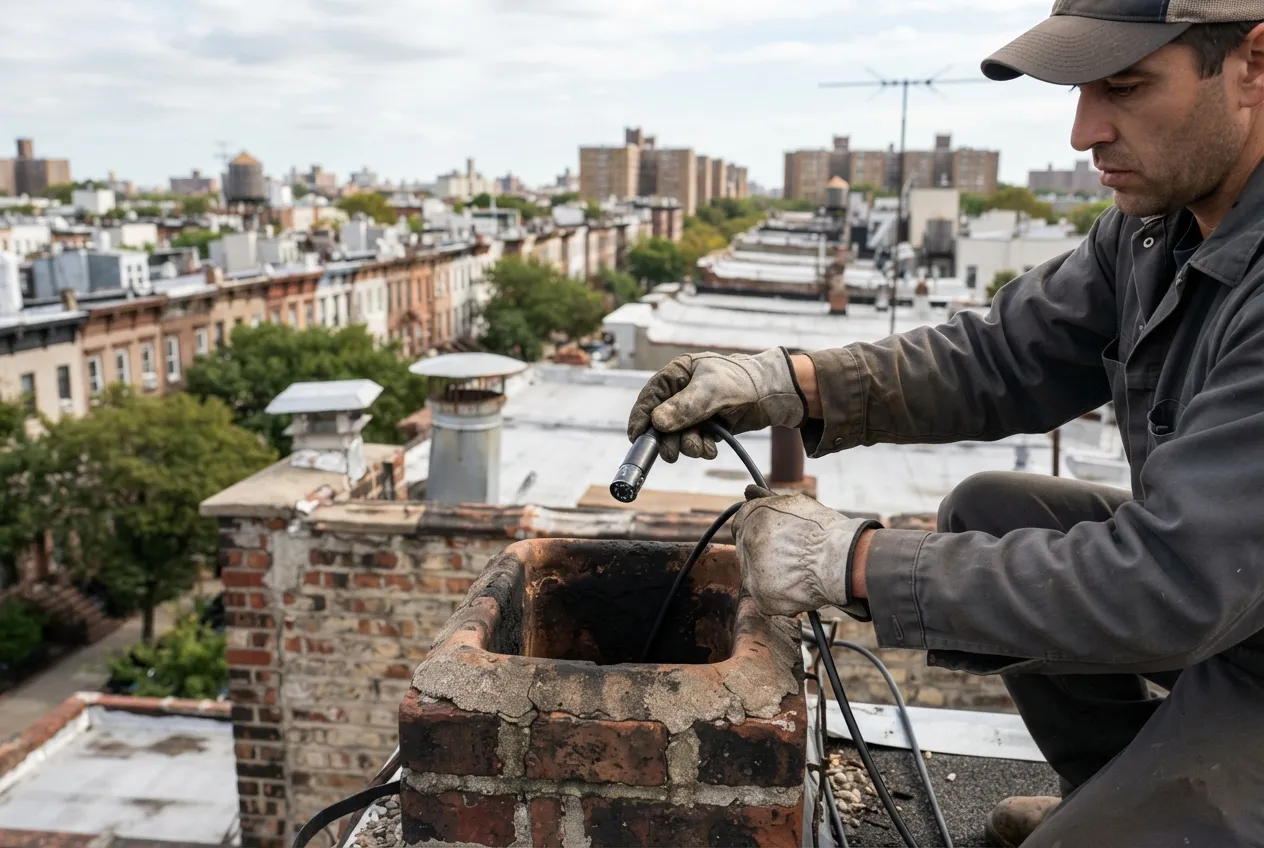
The NFPA 211 standard calls for chimneys, fireplaces and vents to be inspected once a year. We use three inspection levels. Level 1 is a standard check when nothing about your system has changed. Level 2 is for when the system changes, such as a new appliance or a switch of fuel, or when the home is being sold. Level 3 is needed only when a hidden hazard has to be reached by opening part of the chimney or building.
New York City's heat season runs from October 1 through May 31, and building owners must keep apartments heated to the city's minimum temperatures during that time. If you own a rowhouse with tenants or a small apartment building, the boiler chimney has to work reliably for those eight months. Late summer or early fall is a good time to have it inspected and swept, before the heating system runs nearly nonstop.
- Chimney Inspection: a close look at the flue, crown, cap, flashing and connections.
- Chimney Sweep: removes soot, creosote and debris that restrict draft or can catch fire.
- Fireplace & Damper Repair: fixes stuck, warped or rusted dampers and damaged firebox masonry.
Oil-to-Gas Conversions and Chimney Liners
When a New York City building converts its boiler from oil to gas, the chimney has to be evaluated as part of the work. A new liner is often needed, because gas exhaust produces acidic condensate that can corrode a masonry flue from the inside.
For Spring Creek homes and buildings going through a conversion, we inspect the existing flue, check whether it is the right size and in good enough condition for the new appliance, and install a liner when one is required. Liners also help older masonry chimneys with cracked or missing flue tiles, giving exhaust a sound, continuous path out of the house.
Time for your annual chimney check?
Dryer Vent and Air Duct Cleaning
According to the U.S. Fire Administration, failure to clean is the leading factor contributing to clothes dryer fires in homes. In attached houses, a dryer vent often has to travel a long way to reach an outside wall, and lint collects along the way. Watch for clothes that take longer to dry, a laundry room that gets unusually hot, or a burning smell. We clean the full vent run and check that the exterior hood opens freely.
For air ducts, we follow the U.S. EPA's guidance: cleaning makes sense when there is substantial visible mold growth, vermin, or excessive dust and debris. The EPA also notes that duct cleaning has not been shown to prevent health problems, and it advises caution with chemical treatments and very cheap advertised offers. We'll look at your ducts and tell you plainly whether cleaning is worth doing.