The short answer
Flatbush chimneys often need a new liner when clay tiles crack, a new heating appliance goes in, or a building converts from oil to gas. Gas exhaust creates acidic condensate that can corrode an unprotected masonry flue. ApexHearth inspects the flue first, then installs a liner sized to the appliance it serves.
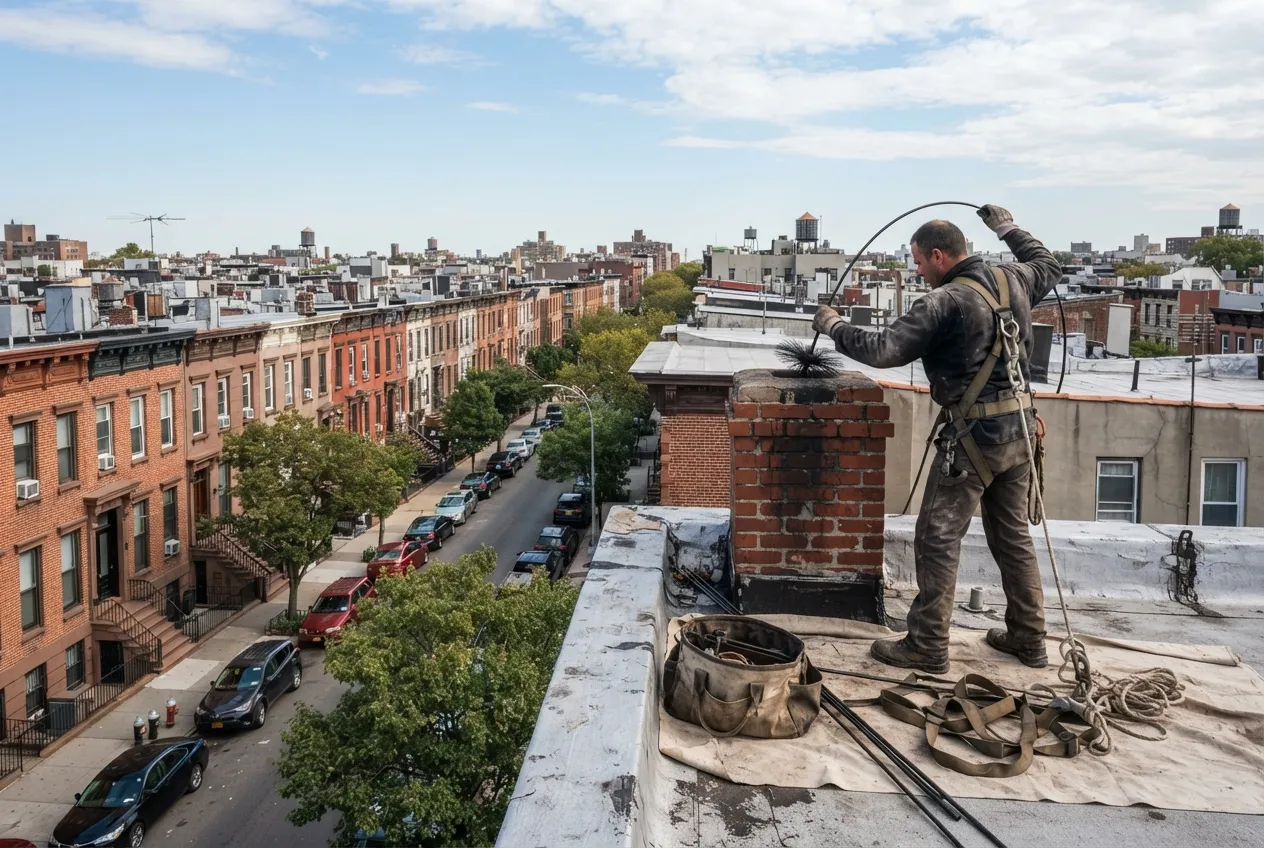
Many chimneys in Flatbush were built long before today's boilers, water heaters and fireplace inserts. A liner is the protective channel inside the chimney that carries smoke and exhaust up and out. It also shields the surrounding brick and nearby wood framing from heat and corrosion. When the original clay tiles crack, the mortar joints wear away, or the flue was never lined at all, exhaust can leak into the masonry or back into the home. ApexHearth installs chimney liners for homes and buildings in Flatbush, ZIP code 11226, about 2 miles northwest of our Brooklyn office. Our certified technicians size each liner to the appliance it serves rather than using a one-size-fits-all kit.
Why Flatbush chimneys often need a new liner
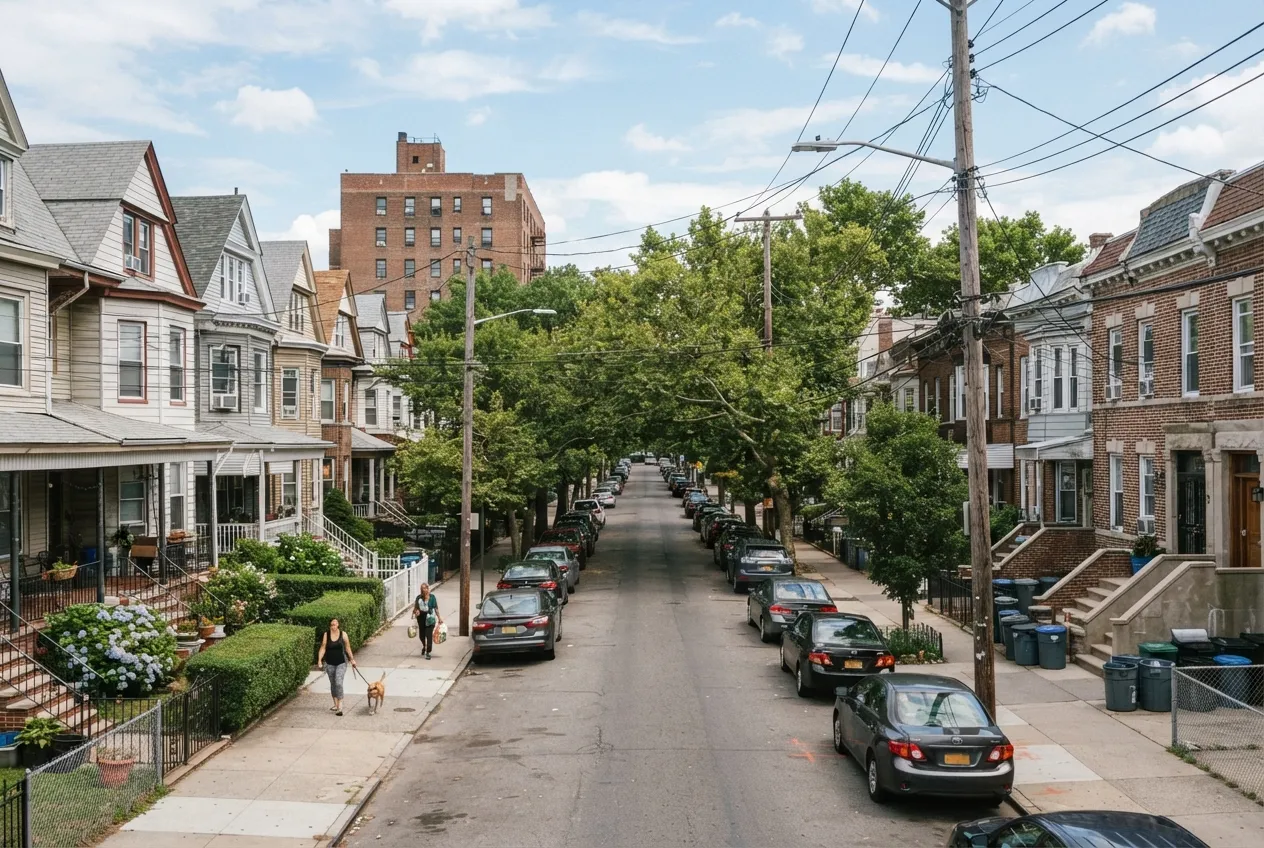
Flatbush has a wide mix of housing. It includes attached rowhouses, brownstones, large detached homes with porches and yards, and pre-war apartment buildings with central boilers. Many of these chimneys still rely on their original clay tile flues, and some have no liner at all. Decades of freeze-thaw cycles, heat and moisture take a toll on both.
Common reasons a chimney needs a new or replacement liner:
- Cracked, shifted or missing clay flue tiles found during an inspection
- Worn mortar joints that let exhaust reach the brick
- A new boiler, furnace or water heater that needs a different flue size
- A switch from oil heat to gas heat
- Adding a wood or gas insert to an existing fireplace
- Water damage or crumbling masonry inside the flue
Oil-to-gas conversions in Flatbush homes and buildings
Many Flatbush homes and apartment buildings have moved from heating oil to natural gas, or are planning to. In New York City, the chimney has to be evaluated as part of any boiler conversion from oil to gas, and a new liner is often needed. The reason is chemistry. Gas exhaust produces acidic condensate that can corrode a masonry flue, even one that held up for years under oil.
Timing matters too. The city's heat season runs from October 1 through May 31. During that period, building owners must keep apartments heated to the city's minimum temperatures. If you are planning a conversion, bring us in early. That way the chimney evaluation and any liner work can be scheduled around the boiler installation instead of holding it up in the middle of winter.
How we evaluate your chimney before lining it
The NFPA 211 standard calls for chimneys, fireplaces and vents to be inspected once a year, and it describes three inspection levels. A Level 1 inspection fits a system that hasn't changed. A Level 2 inspection applies when the system changes, such as a new appliance or a switch of fuel, or when the home is sold. That is why a Level 2 inspection usually comes before a liner installation. A Level 3 inspection is needed when a hidden hazard can only be reached by opening part of the chimney or the building.
During a Level 2 inspection, we run a camera through the full length of the flue and check the condition of the tiles and joints. We also measure the flue and confirm which appliances connect to it. Then we explain what we found, show you the footage, and recommend a liner type and size that fits your appliance.
Time for your annual chimney check?
Liner options we install
The right liner depends on what vents into the chimney and on the shape and condition of the flue.
- Stainless steel liners: the most common choice for gas and oil boilers, furnaces and water heaters, and for wood-burning inserts. They come in flexible or rigid form, sized to the appliance.
- Insulated stainless steel liners: used where the flue needs extra protection from heat, or to keep exhaust warm enough to draft properly.
- Cast-in-place liners: a cement-like mixture formed inside the existing flue. This is an option for some masonry chimneys that need structural support along with a new lining.
What to expect on installation day
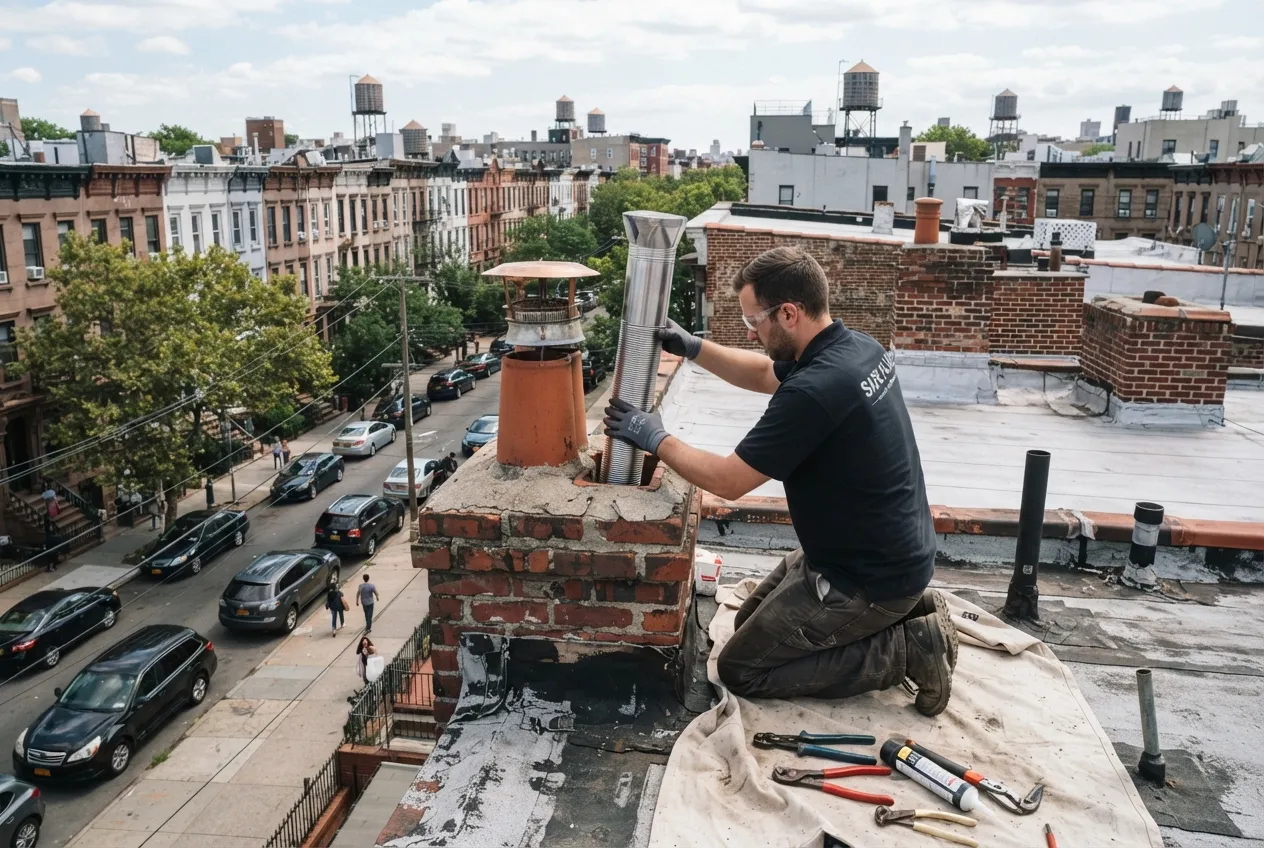
Most liner jobs involve work on the roof and at the base of the chimney. We'll talk with you ahead of time about access. This matters most in attached rowhouses and apartment buildings, where the roof may only be reachable through a hatch or a shared stairway. On the day of the job, we protect floors and furnishings near the work area and clean the flue. We remove any damaged tile that would block the new liner, then feed the liner down from the top.
Once the liner is in place, we connect it to the appliance. We install a top plate and cap to keep out rain and animals, and we check that the system drafts correctly. Before we leave, we walk you through the work and share photos or video of the finished job.
Serving Flatbush and nearby neighborhoods
Our crews work throughout Flatbush and in nearby Midwood, East Flatbush, Flatlands, Madison and Marine Park. You may be replacing a heating appliance, converting from oil to gas, or have been told your flue is cracked. In any of those cases, schedule an inspection. We'll tell you whether a liner is needed and which kind fits.
More services in Flatbush
- Chimney Sweep in FlatbushLocal service & repairs
- Chimney Inspection in FlatbushLocal service & repairs
- Chimney Repair in FlatbushLocal service & repairs
- Air Duct Cleaning in FlatbushLocal service & repairs