The short answer
Midwood homes need a new chimney liner when the existing flue is cracked, deteriorated, missing, or the wrong size for the appliance it vents, which often comes up during an oil-to-gas boiler conversion. We inspect the flue, choose a liner sized for your appliance, install it, and check the draft before the system goes back into service.
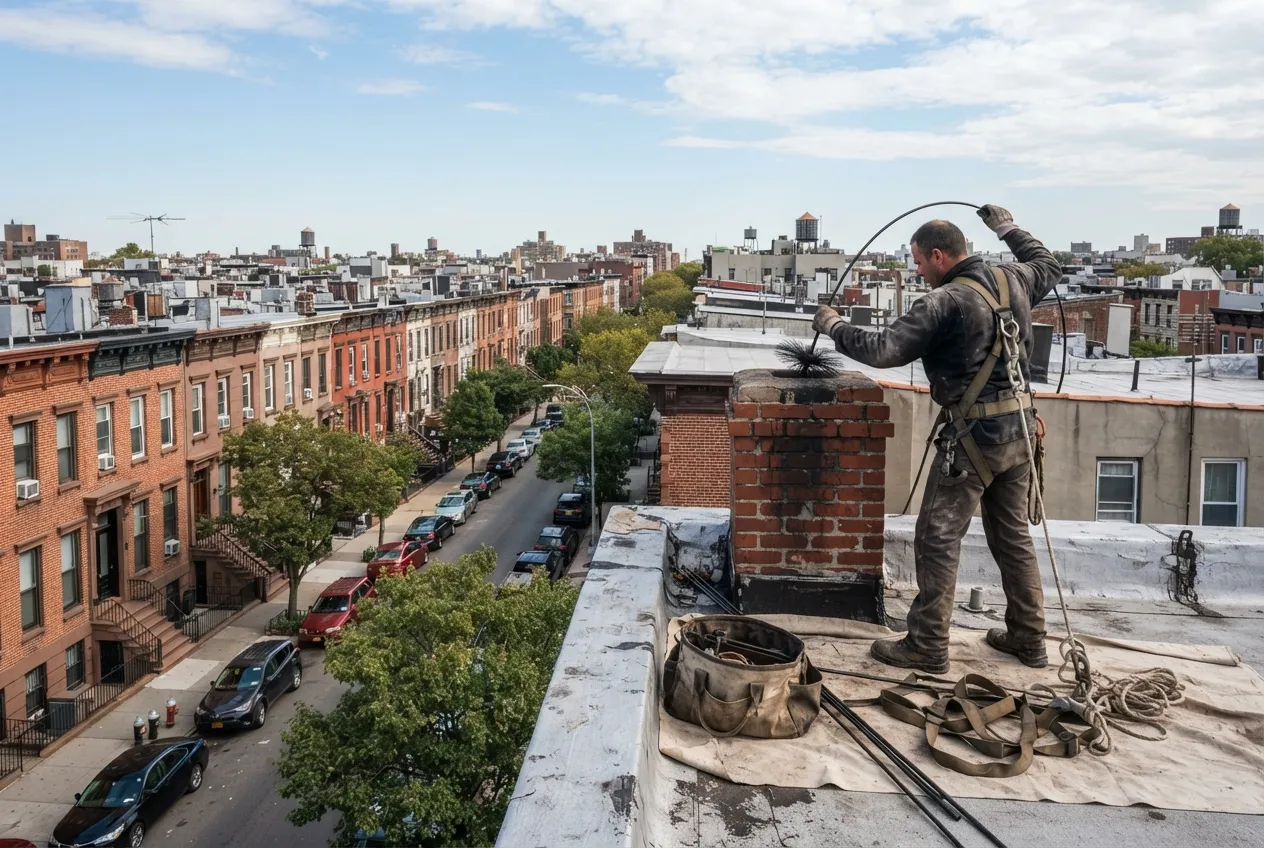
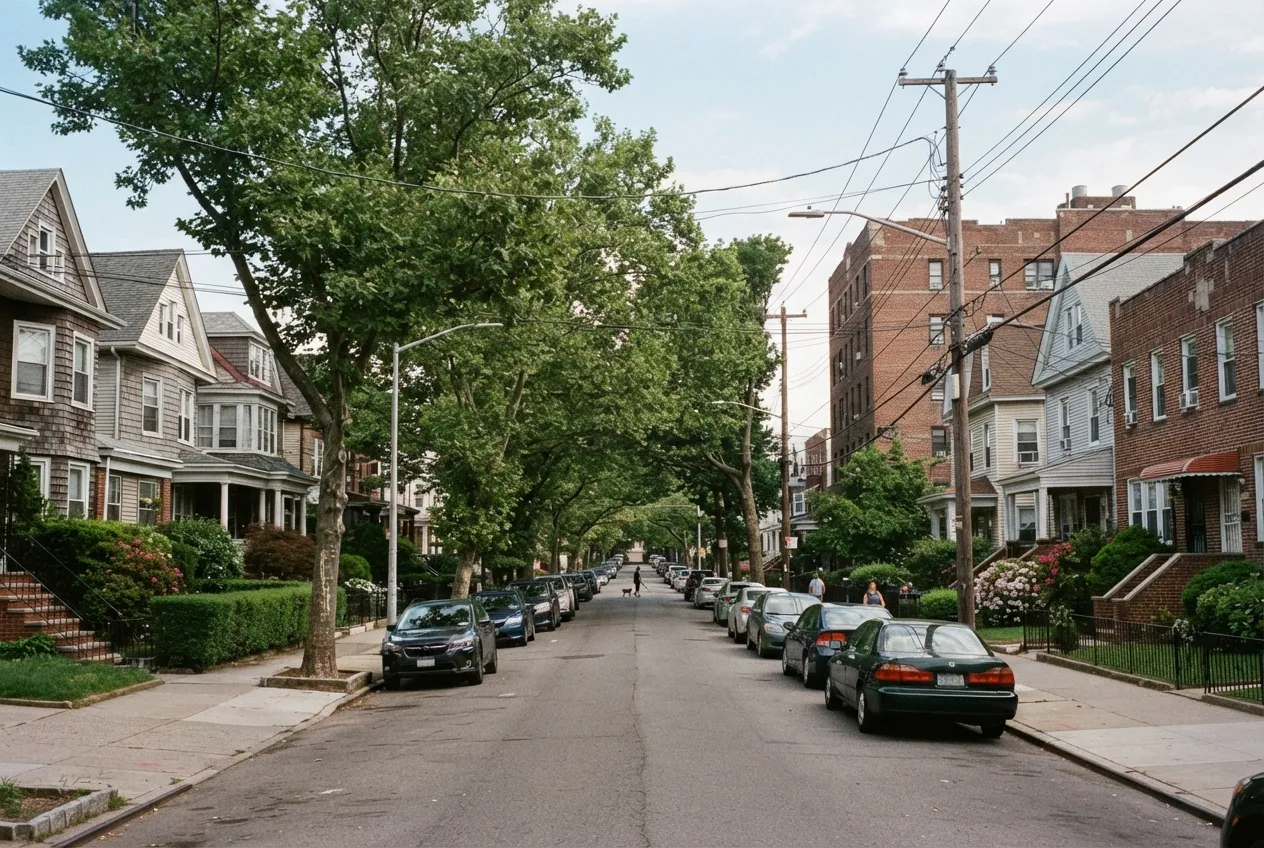
A chimney liner is the channel inside your chimney that carries smoke and exhaust gases out of the house and keeps heat and acidic byproducts away from the surrounding brick and framing. Many Midwood homes, from detached and semi-detached houses to rowhouses and pre-war apartment buildings, still rely on original clay tile flues or unlined masonry that were never designed for today's heating equipment. ApexHearth Chimney Services installs new liners for homeowners and building owners in Midwood, about two miles from our Brooklyn office, and in ZIP codes 11204 and 11230.
Why Liners Matter in Midwood's Older Housing
Much of Midwood's housing was built when coal and oil were the common heating fuels. Over decades, heat cycles, moisture, and settling can crack clay flue tiles and wear down mortar joints. Some older chimneys were built with no liner at all. A damaged or missing liner can let exhaust, including carbon monoxide, seep into the home or into gaps in the wall, and it can expose nearby wood to heat.
Fuel changes are a common trigger for liner work here. When a New York City building converts its boiler from oil to gas, the chimney has to be evaluated as part of the job, and a new liner is often needed. Gas exhaust produces acidic condensate that can corrode a masonry flue that handled oil without trouble for years.
Signs Your Chimney May Need a New Liner
Some liner problems are visible from the fireplace or the boiler room. Others only show up on camera during an inspection. Call us to take a look if you notice any of the following:
- Pieces of clay tile or flaking masonry collecting at the base of the chimney or in the cleanout
- Water stains, white residue, or crumbling brick on the chimney, inside or outside
- Smoke or exhaust odors in the house when the boiler, furnace, or fireplace is running
- A planned conversion from oil to gas, or a new water heater or boiler being installed
- An inspection report noting cracked, offset, or missing flue tiles
How We Install a Chimney Liner
The NFPA 211 standard calls for chimneys, fireplaces, and vents to be inspected once a year. When the system changes, such as a new appliance or a switch of fuel, a Level 2 inspection is the appropriate starting point, and that is where liner work begins. Our certified technicians follow a clear sequence:
- Inspect the flue with a camera and document its condition, height, and inside dimensions
- Confirm the appliance type, fuel, and venting requirements so the liner is sized correctly
- Clean the existing flue and remove loose tile or debris that would block the new liner
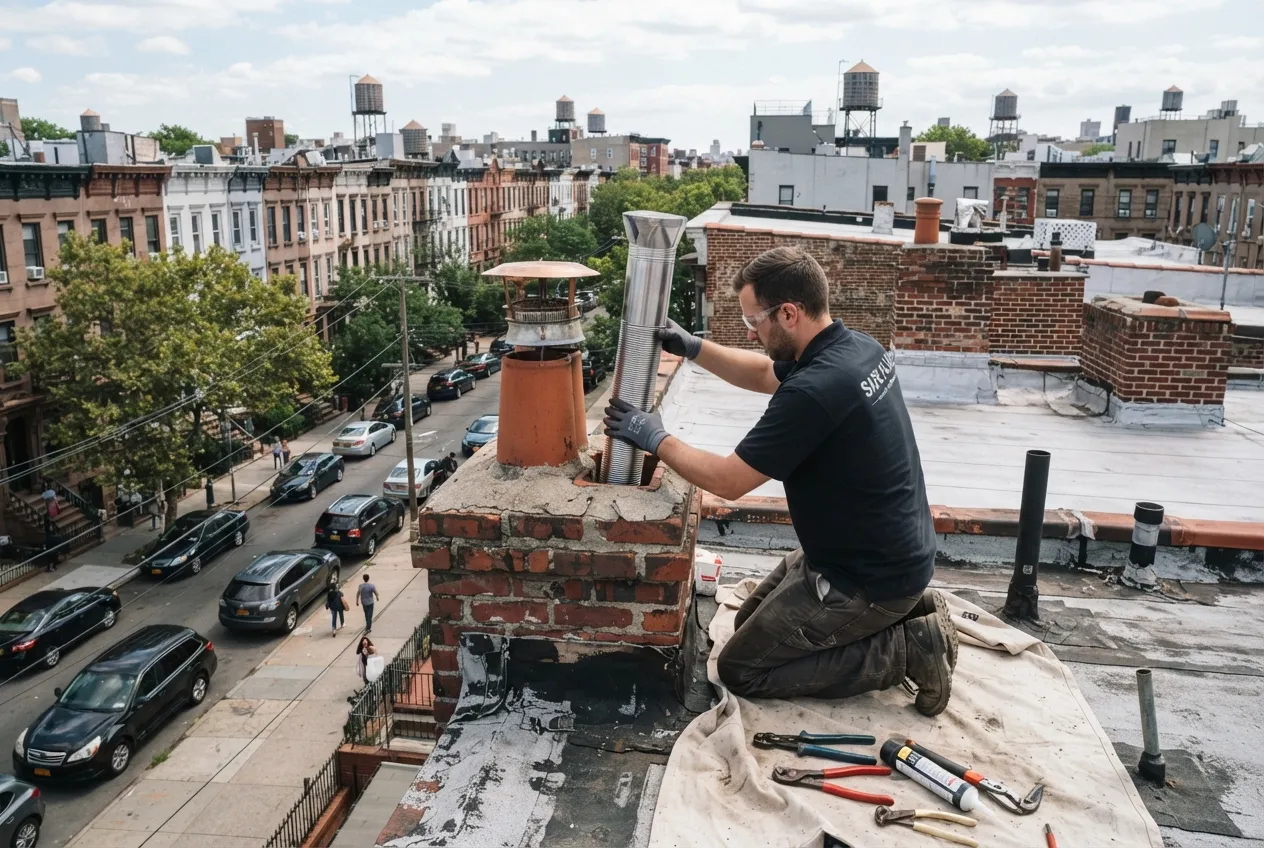
- Install the liner from top to bottom and connect it to the appliance
- Fit a proper top plate and cap to keep out rain and animals
- Check the draft and walk you through what was done before the system goes back into service
Time for your annual chimney check?
Choosing the Right Liner Type
Stainless steel liners are the most common choice for gas and oil boilers, furnaces, and water heaters because they handle acidic condensate well and can be fed through tight or slightly offset flues. Wood-burning fireplaces and stoves have their own requirements, and some masonry chimneys are better suited to a cast-in-place liner that also strengthens a deteriorated flue.
Sizing matters as much as material. A liner that is too large for a modern, efficient gas boiler can cool the exhaust and slow the draft, which leads to condensation and backdrafting. We match the liner to the appliance rather than to the old flue opening.
Timing Liner Work Around Heat Season
New York City's heat season runs from October 1 through May 31, and building owners must keep apartments heated to the city's minimum temperatures during that period. For a multi-unit building or a home with tenants, it makes sense to plan boiler conversions and liner replacements for late spring or summer so heat is not interrupted. If a problem turns up mid-winter, we can inspect promptly and explain your options.
Beyond Midwood, we install chimney liners in nearby Flatbush, Madison, Flatlands, Marine Park, and Mill Basin.
More services in Midwood
- Chimney Sweep in MidwoodLocal service & repairs
- Chimney Inspection in MidwoodLocal service & repairs
- Chimney Repair in MidwoodLocal service & repairs
- Air Duct Cleaning in MidwoodLocal service & repairs