The short answer
Most East Flatbush chimneys should be inspected once a year, in line with the NFPA 211 standard. A basic Level 1 inspection covers a system that hasn't changed. A Level 2 inspection is the right choice if you've switched fuels, added an appliance or are buying or selling a home.
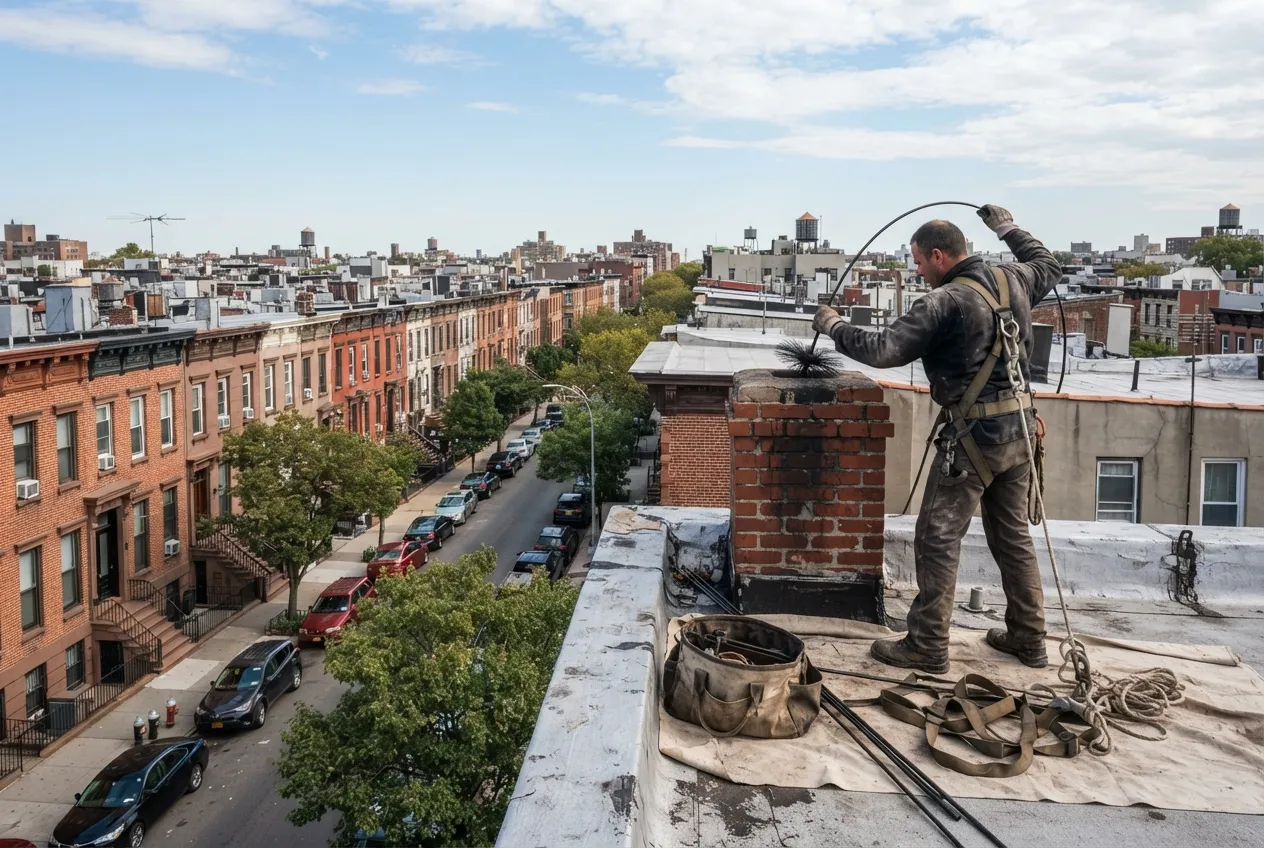
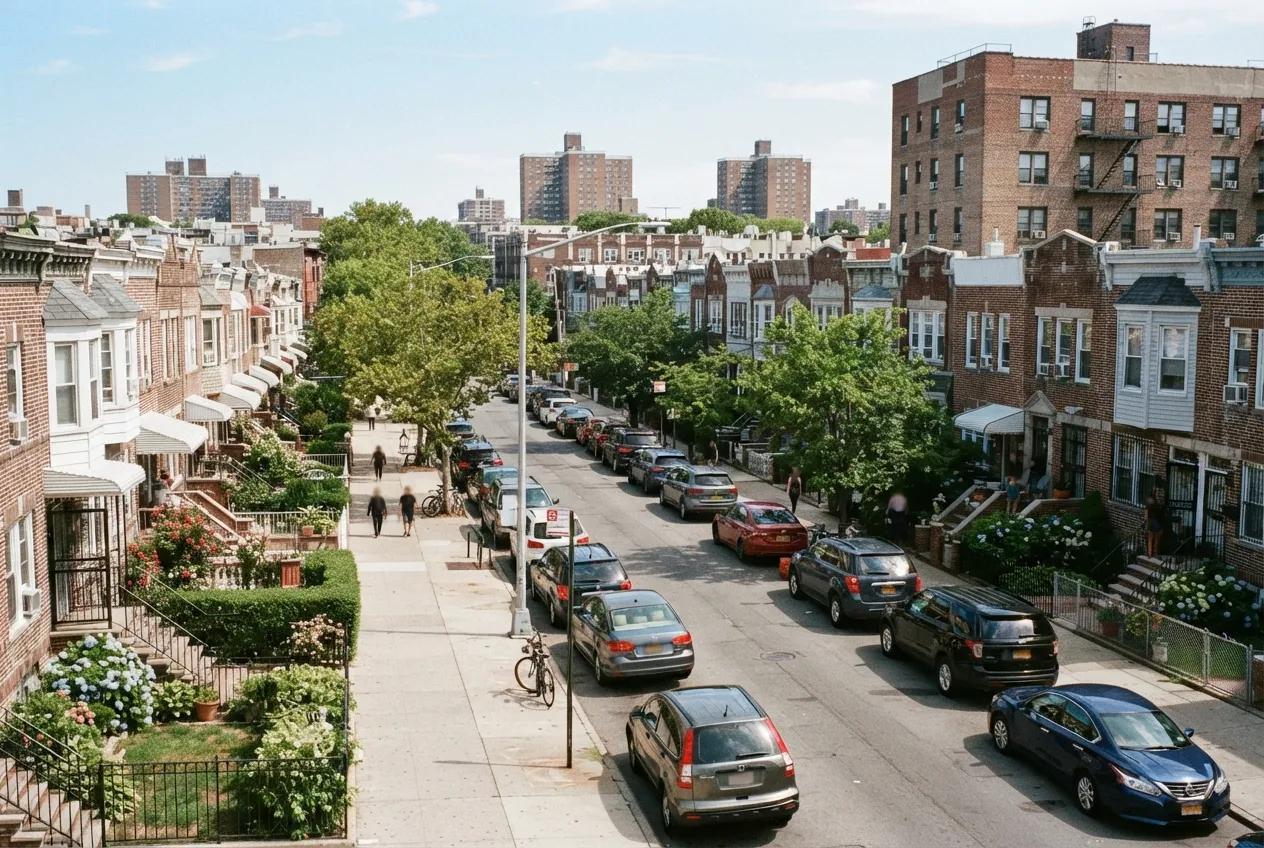
Many East Flatbush homes have been burning wood, oil or gas through the same chimney for generations. Brick rowhouses, detached frame houses and pre-war apartment buildings in the 11203 ZIP code often have masonry flues that have been patched, relined or left alone for years. A chimney inspection tells you what condition that flue is in before it becomes a smoke, fire or carbon monoxide problem. ApexHearth Chimney Services is based in Brooklyn, about 2 miles south of East Flatbush, and our certified technicians inspect fireplaces, boiler chimneys and vents throughout the neighborhood.
Why East Flatbush Chimneys Need a Closer Look
Much of the housing here is older masonry construction. In attached rowhouses, one chimney stack often holds several flues. Mortar joints, clay tile liners and crowns wear down over decades of freeze-thaw cycles and heating seasons. Cracks inside a flue usually can't be seen from the roof or the fireplace opening, so a damaged liner can go unnoticed for years.
Many homes and small apartment buildings in the neighborhood also run boilers that vent through the chimney. A furnace or boiler flue works every day from fall through spring, so problems there affect the whole house, not just a fireplace you use a few times a winter.
The Three Levels of Chimney Inspection
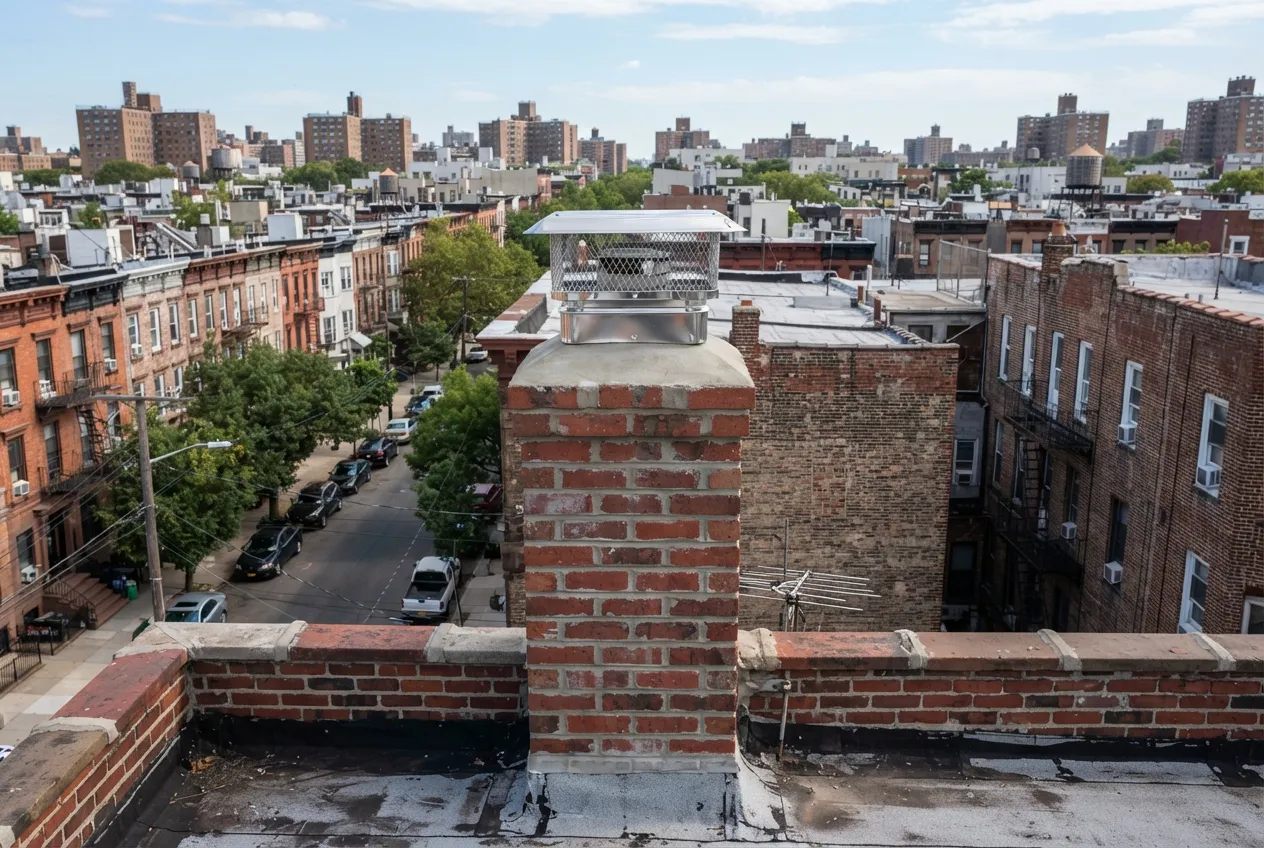
The NFPA 211 standard calls for chimneys, fireplaces and vents to be inspected once a year. Chimney professionals use three inspection levels, and we'll tell you which one fits your situation before we start.
- Level 1: For a chimney you've been using normally with no changes. We check the accessible parts of the chimney, the fireplace or appliance connection, and look for blockages, buildup and visible damage.
- Level 2: For when something has changed, such as a new boiler or stove, a switch from oil to gas, or a home being sold. This includes everything in Level 1 plus a camera inspection of the flue's interior and a check of accessible areas like the attic and basement.
- Level 3: For when a hidden hazard has to be reached by opening part of the chimney or building. This is uncommon and is only recommended when a Level 2 inspection points to a problem that can't be confirmed any other way.
Oil-to-Gas Conversions in East Flatbush
Many buildings in the area have moved or are moving from heating oil to natural gas. In New York City, the chimney has to be evaluated as part of an oil-to-gas boiler conversion. A new liner is often needed because gas exhaust produces acidic condensate that can corrode an unlined or tile-lined masonry flue.
If you're planning a conversion, or one was done and you're not sure the chimney was checked, a Level 2 inspection will show the condition of the flue and whether a liner is in place and sized for the new appliance. We'll give you written findings you can share with your heating contractor.
Time for your annual chimney check?
When to Schedule Your Inspection
New York City's heat season runs from October 1 through May 31. During those months, building owners must keep apartments heated to the city's minimum temperatures. If you own a multi-family house or a pre-war apartment building in East Flatbush, a boiler chimney problem in January means losing heat at the worst possible time.
Late summer and early fall are the best times to schedule, before the boiler runs full-time and before you light the first fire. That said, schedule an inspection any time of year if you notice any of these:
- Smoke or fumes coming back into the room or basement
- Pieces of tile, brick or mortar in the fireplace or cleanout
- Water stains on walls or ceilings near the chimney
- A strong odor from the fireplace in humid weather
- A carbon monoxide alarm going off near the boiler
What You Get After the Inspection
We explain what we found in plain terms and show you photos or camera footage of the flue. If the chimney needs cleaning, repair or a liner, we'll explain why and what each option involves. If the chimney is in good shape, we'll tell you that too. We also serve nearby Flatbush, Flatlands, Canarsie, Marine Park and Mill Basin, so neighbors with similar homes can book the same service.
More services in East Flatbush
- Chimney Sweep in East FlatbushLocal service & repairs
- Chimney Repair in East FlatbushLocal service & repairs
- Air Duct Cleaning in East FlatbushLocal service & repairs
- Chimney Liner Installation in East FlatbushLocal service & repairs