The short answer
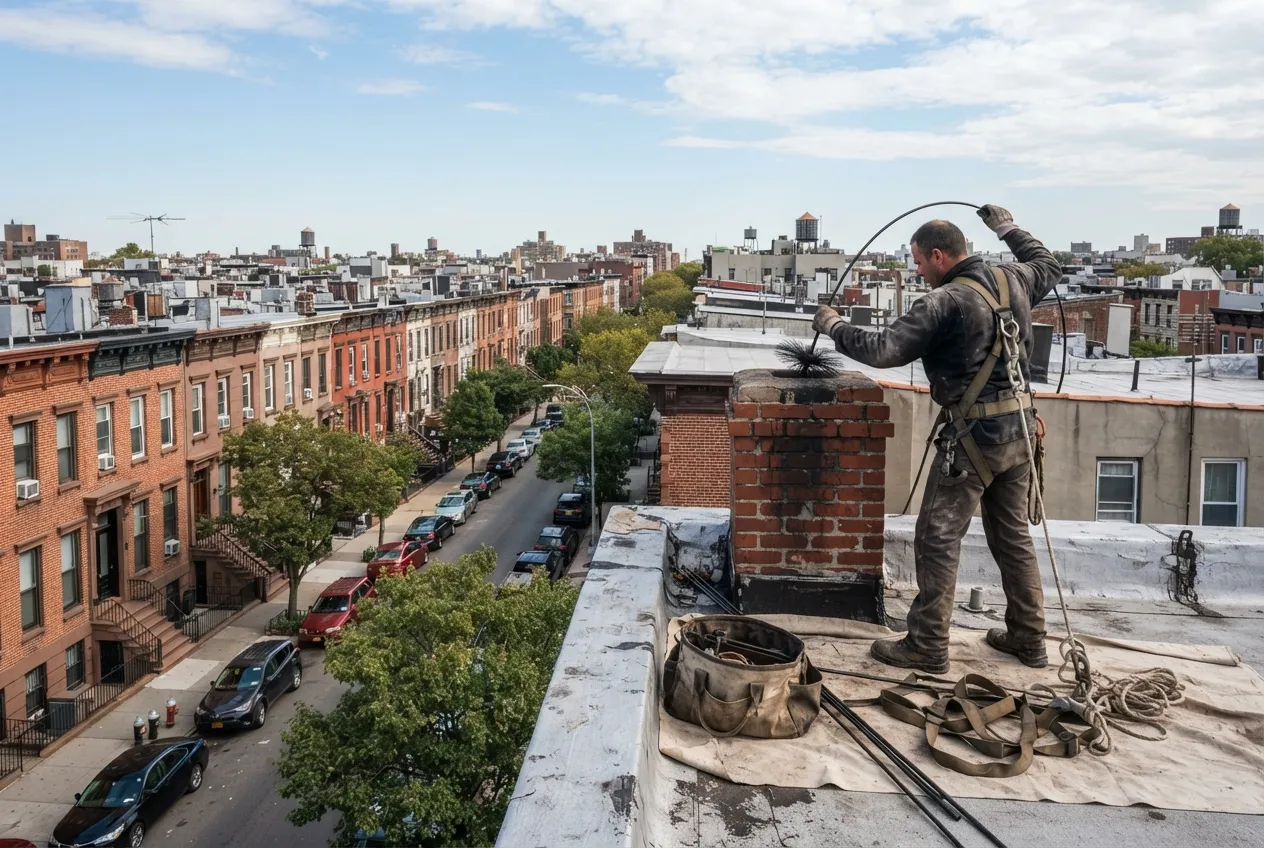
The NFPA 211 standard calls for chimneys, fireplaces and vents to be inspected once a year, even if you rarely use the fireplace. ApexHearth's certified technicians inspect chimneys across Sheepshead Bay and recommend a Level 1, 2 or 3 inspection based on what has changed in your home.
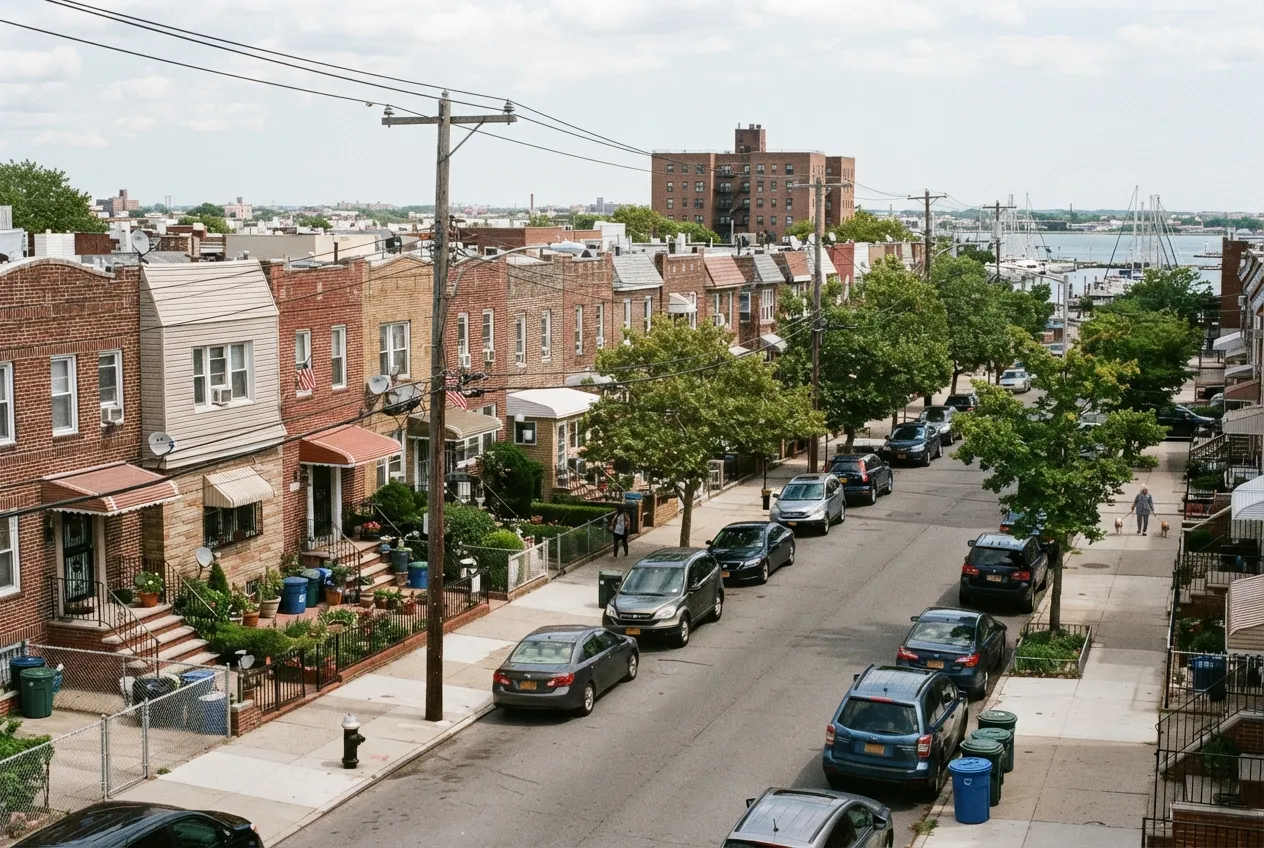
Sheepshead Bay has a wide mix of homes: detached and semi-detached houses, attached rowhouses, and pre-war apartment buildings with boiler chimneys. In every one of them, the chimney has the same job. It carries smoke or furnace exhaust safely out of the house, and it needs a regular look to keep doing that. ApexHearth Chimney Services is based in Brooklyn, about 2 miles north of Sheepshead Bay. Our certified technicians inspect fireplaces, boiler and furnace flues, and vents throughout the 11235 ZIP code.
Why Sheepshead Bay Chimneys Need a Yearly Inspection
Chimney professionals follow the NFPA 211 standard, which calls for chimneys, fireplaces and vents to be inspected once a year. The rule covers every kind of use. You may burn wood every weekend or light a gas log set a few times each winter. You may never touch the fireplace at all and rely on a boiler or furnace that vents through the chimney all season. In each case, the chimney should be inspected once a year.
A yearly inspection catches problems while they are still small. Common examples are a cracked flue tile, a loose cap, mortar washing out of the joints, creosote building up faster than expected, or a nest blocking the opening. If these problems are left alone, they can send heat, smoke or carbon monoxide where they shouldn't go. They can also let water into the masonry and the walls around it.
Which Inspection Level Your Home Needs
Chimney professionals use three levels of inspection. The right one depends on what has changed in your home since the chimney was last checked.
- Level 1: For chimneys where nothing has changed. We examine the readily accessible parts of the chimney, fireplace and appliance connections and confirm the flue is clear and sound.
- Level 2: For when the system changes, such as a new appliance or a switch of fuel, or when the home is sold. This inspection goes further and typically includes a camera look inside the flue and a check of accessible areas like the attic and roof.
- Level 3: For when a hidden hazard has to be reached by opening part of the chimney or the building. It is reserved for cases where a serious problem is suspected and can't be confirmed any other way.
What We Check on Sheepshead Bay Chimneys
Homes near the water deal with wind, moisture and winter freeze-thaw cycles. Masonry chimneys take the brunt of this weather because they stand above the roofline. Many houses in the neighborhood also have attached or shared walls, so a chimney problem can matter beyond your own home.
During an inspection, our technicians look at:
After the visit, we explain what we found in plain terms and show you photos where they help. We also tell you which items need attention now and which can be watched.
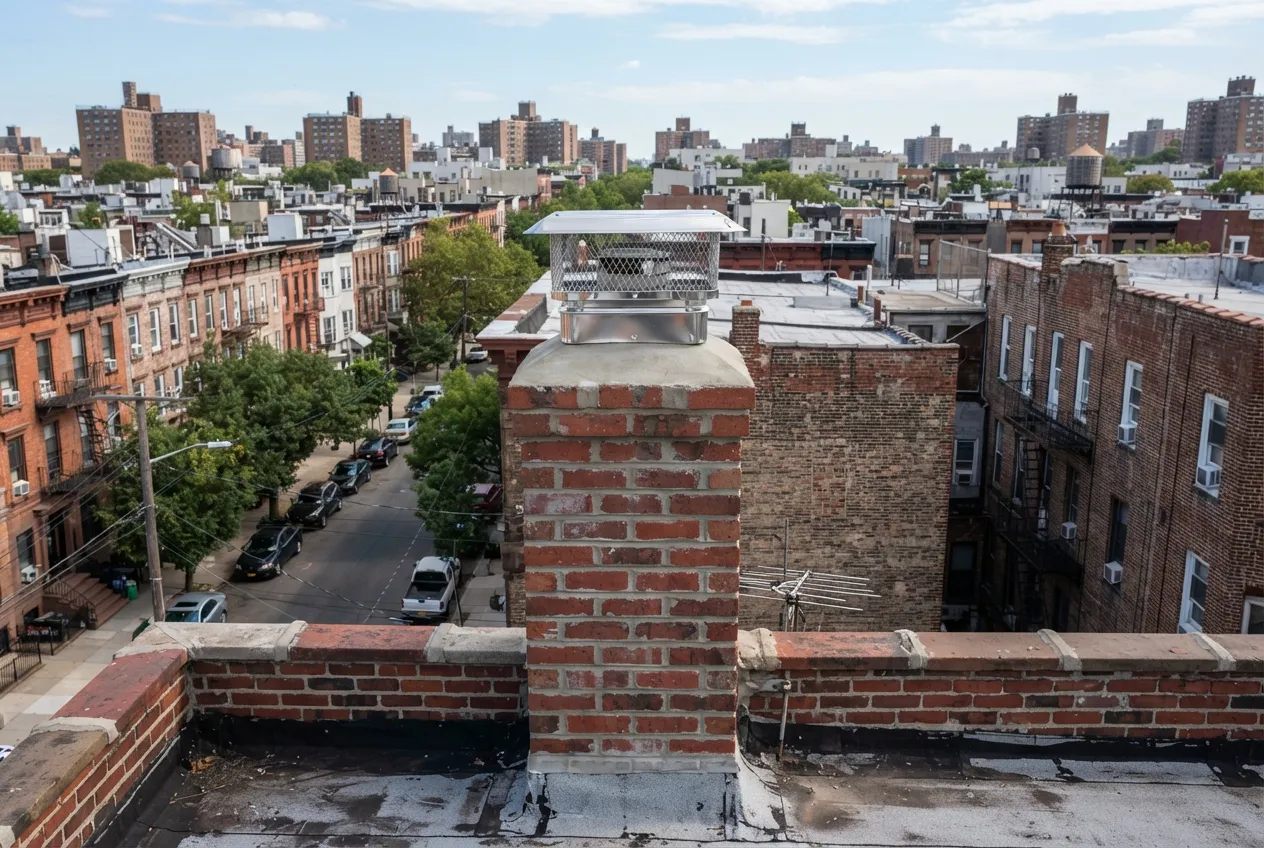
- The crown and cap, which keep rain, snow and animals out of the flue
- Flashing where the chimney meets the roof, a common source of leaks into attics and upper floors
- Brick and mortar joints, checked for cracks, spalling and missing mortar
- The flue liner, checked for cracks, gaps, corrosion or deterioration
- Creosote and soot buildup in wood-burning fireplaces
- The damper, the firebox and the smoke chamber
- Connections from boilers, furnaces and water heaters to the flue
- Signs of water damage inside the home near the chimney
Time for your annual chimney check?
Oil-to-Gas Conversions and Chimney Liners
Many Brooklyn homes and apartment buildings still heat with oil, and owners are often weighing a switch to gas. When a New York City building converts its boiler from oil to gas, the chimney has to be evaluated as part of the work.
These conversions often require a new liner. Gas exhaust produces acidic condensate, and that moisture can corrode a masonry flue over time. A fuel switch is also the kind of change that calls for a Level 2 inspection. We can inspect the chimney before your conversion, so you know early whether relining is likely to be part of the project.
Timing Your Inspection Around Heat Season
New York City's heat season runs from October 1 through May 31. During those months, building owners must keep apartments heated to the city's minimum temperatures, so the boiler and its chimney work nearly every day. For owners of multi-family buildings, a chimney problem in January is also a heat problem.
Late summer and early fall are good times to schedule an inspection, before the boiler runs full time and before the first fire of the year. Some warning signs mean you shouldn't wait for a convenient season: smoke backing up into the room, a strong odor, water stains near the chimney, or debris falling into the firebox.
We serve all of Sheepshead Bay and the 11235 ZIP code. We also serve nearby Manhattan Beach, Gerritsen Beach, Madison, Marine Park and Mill Basin.
More services in Sheepshead Bay
- Chimney Sweep in Sheepshead BayLocal service & repairs
- Chimney Repair in Sheepshead BayLocal service & repairs
- Air Duct Cleaning in Sheepshead BayLocal service & repairs
- Chimney Liner Installation in Sheepshead BayLocal service & repairs