The short answer
A chimney needs a new liner when the existing flue is cracked or deteriorated, or when it doesn't suit the appliance it serves. This often comes up after an oil-to-gas conversion or a new appliance. ApexHearth's certified technicians inspect the flue first, then install a liner sized to your boiler, water heater, stove or fireplace.
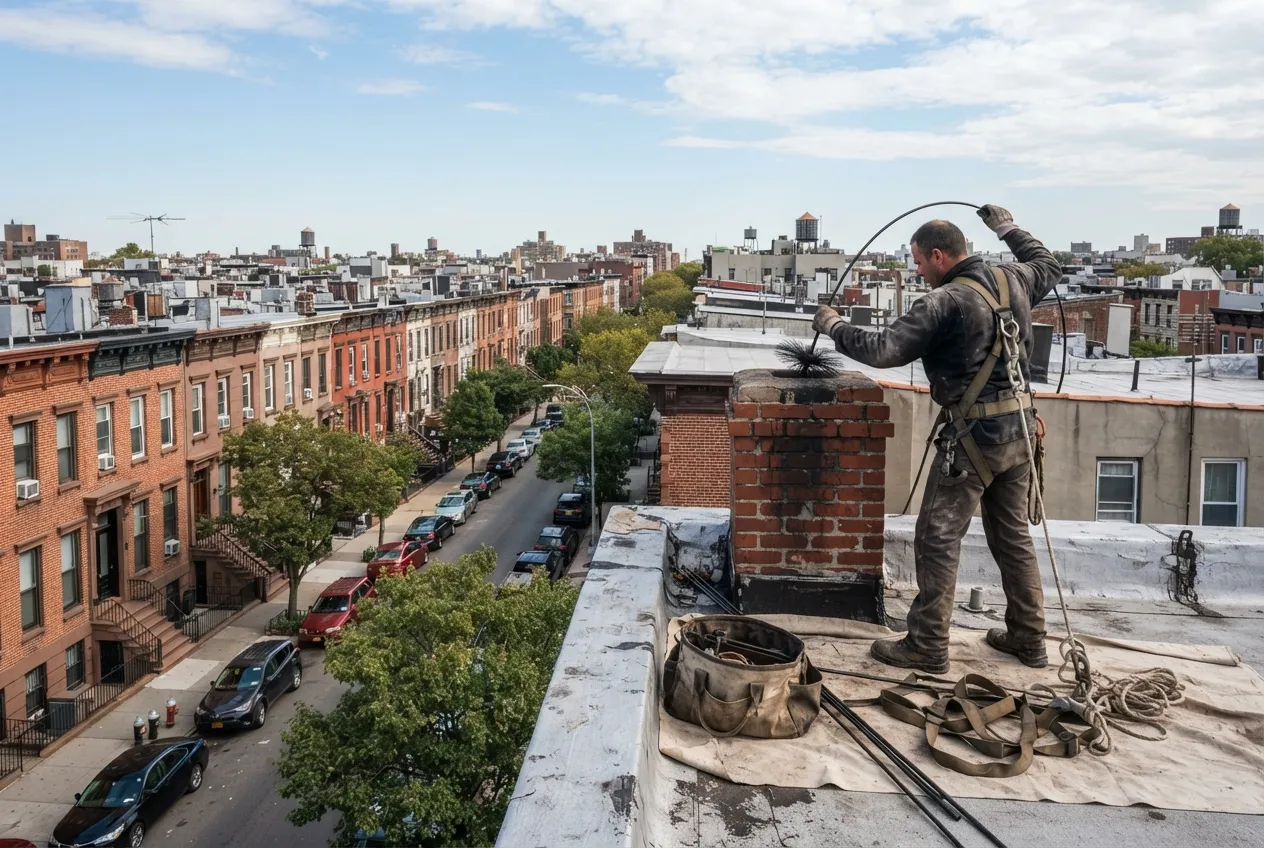
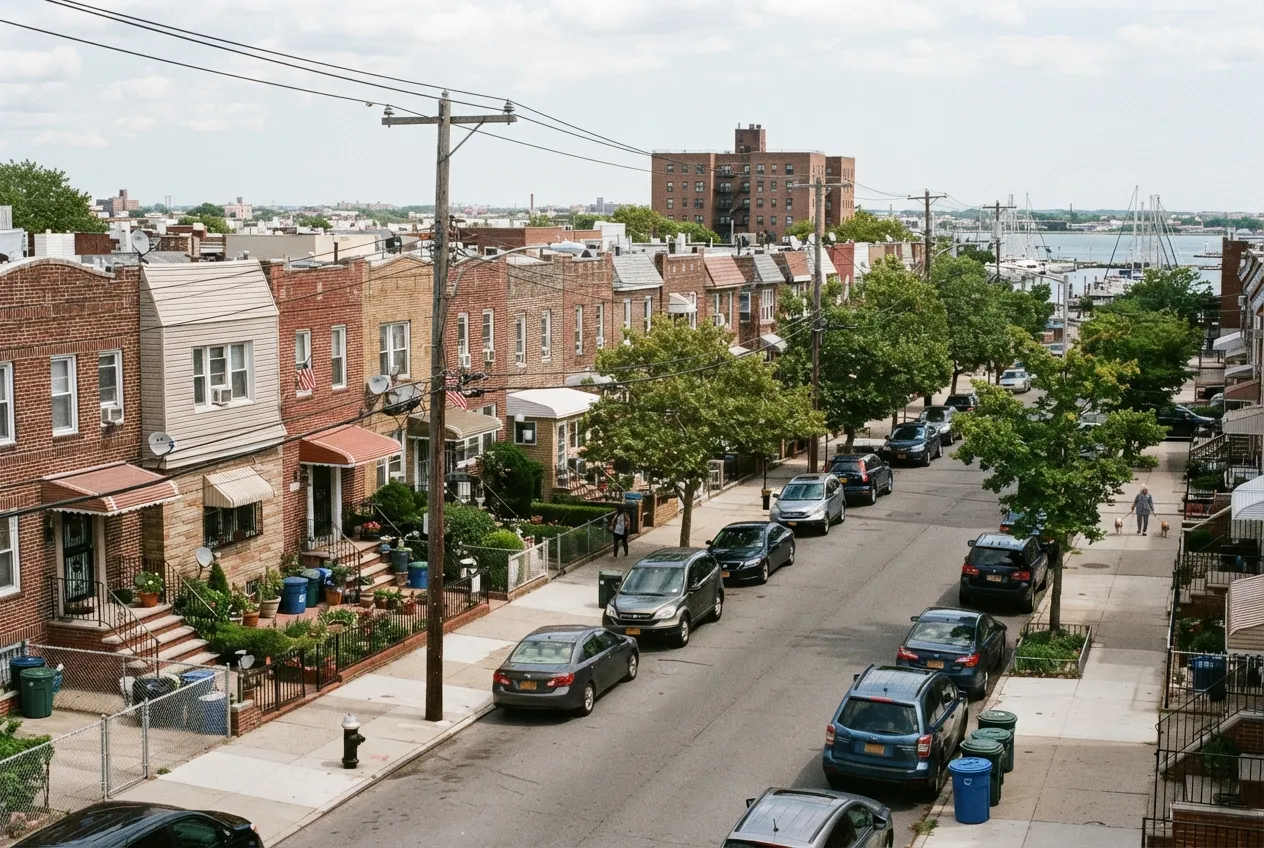
Many homes in Sheepshead Bay have masonry chimneys that are older than the boilers, water heaters and fireplaces now venting through them. When a flue's lining cracks, crumbles or no longer suits the appliance connected to it, exhaust can leak into the masonry or back into the house. ApexHearth Chimney Services installs chimney liners for homeowners and building owners in Sheepshead Bay (ZIP 11235), about 2 miles south of our Brooklyn office. Our certified technicians inspect the flue first. Then they recommend a liner that is sized and made for the appliance it will serve.
Why Sheepshead Bay Chimneys Often Need Relining
Housing in the neighborhood ranges from detached and semi-detached houses to attached rowhouses and pre-war apartment buildings. Many of these chimneys were lined with clay tile when they were built, and some were never lined at all. Years of heating cycles, moisture and freeze-thaw weather can crack tiles and wash out mortar joints. That leaves gaps where heat and combustion gases reach the brick.
A liner is the inner channel that carries exhaust up and out of the house. A sound liner does three things:
When the original flue can't do that job anymore, a new liner is usually the practical fix. It is often simpler than rebuilding the chimney.
- Protects the surrounding masonry and nearby framing from heat
- Keeps corrosive byproducts off the brick
- Helps the appliance draft the way it was designed to
Converting From Oil to Gas
Oil-to-gas conversions are common in Brooklyn, and they almost always involve the chimney. When a New York City building converts its boiler from oil to gas, the chimney has to be evaluated as part of the work. A new liner is often needed because gas exhaust produces acidic condensate that can corrode a masonry flue.
If you're planning a conversion, bring us in early. We can inspect the existing flue and tell you whether it can be reused. If it can't, we size a liner to the new boiler or water heater so the chimney doesn't hold up the project.
Signs Your Flue May Need a New Liner
Some problems are visible from the fireplace or the cleanout door. Others only show up on a camera inspection. Call for an evaluation if you notice any of the following:
- Pieces of clay tile or crumbling mortar collecting at the base of the chimney or in the cleanout
- Water stains, peeling paint or damp spots on walls near the chimney
- White staining on interior or exterior brick
- A new boiler, furnace, water heater or wood stove being connected to an old flue
- Smoke or fumes spilling into a room, or a carbon monoxide alarm going off
- A previous inspection that noted cracked, missing or offset flue tiles
Time for your annual chimney check?
Choosing the Right Liner for Your Appliance
No single liner suits every chimney. The right choice depends on the fuel, the appliance's venting requirements, and the size and shape of the existing flue. Common options include:
Size matters as much as material. A liner that is too large for the appliance can let exhaust cool and condense, and one that is too small can restrict draft. We size each liner to the appliance it will serve.
- Stainless steel liners, rigid or flexible. These work for gas, oil and wood-burning appliances and are the most common choice for relining.
- Insulated stainless liners for wood stoves and fireplace inserts, where extra protection for nearby walls and framing is needed.
- Cast-in-place liners. A cement-like mixture is formed inside the flue to line it and help reinforce worn masonry.
- Replacement clay tile, in limited cases where the chimney can be opened up and rebuilt.
How a Liner Installation Works
Every job starts with an inspection. The NFPA 211 standard calls for chimneys, fireplaces and vents to be inspected once a year, and it uses three inspection levels. A change to the system, such as a new appliance or a switch of fuel, calls for a Level 2 inspection. If a hidden hazard has to be reached by opening part of the chimney or building, that calls for a Level 3. On relining jobs, we typically run a camera through the flue to see its full condition.
The installation itself follows these steps:
Before we leave, we check that the appliance drafts properly. We also walk you through what we did and what to watch for.
- Clean and evaluate the flue.
- Confirm the liner size.
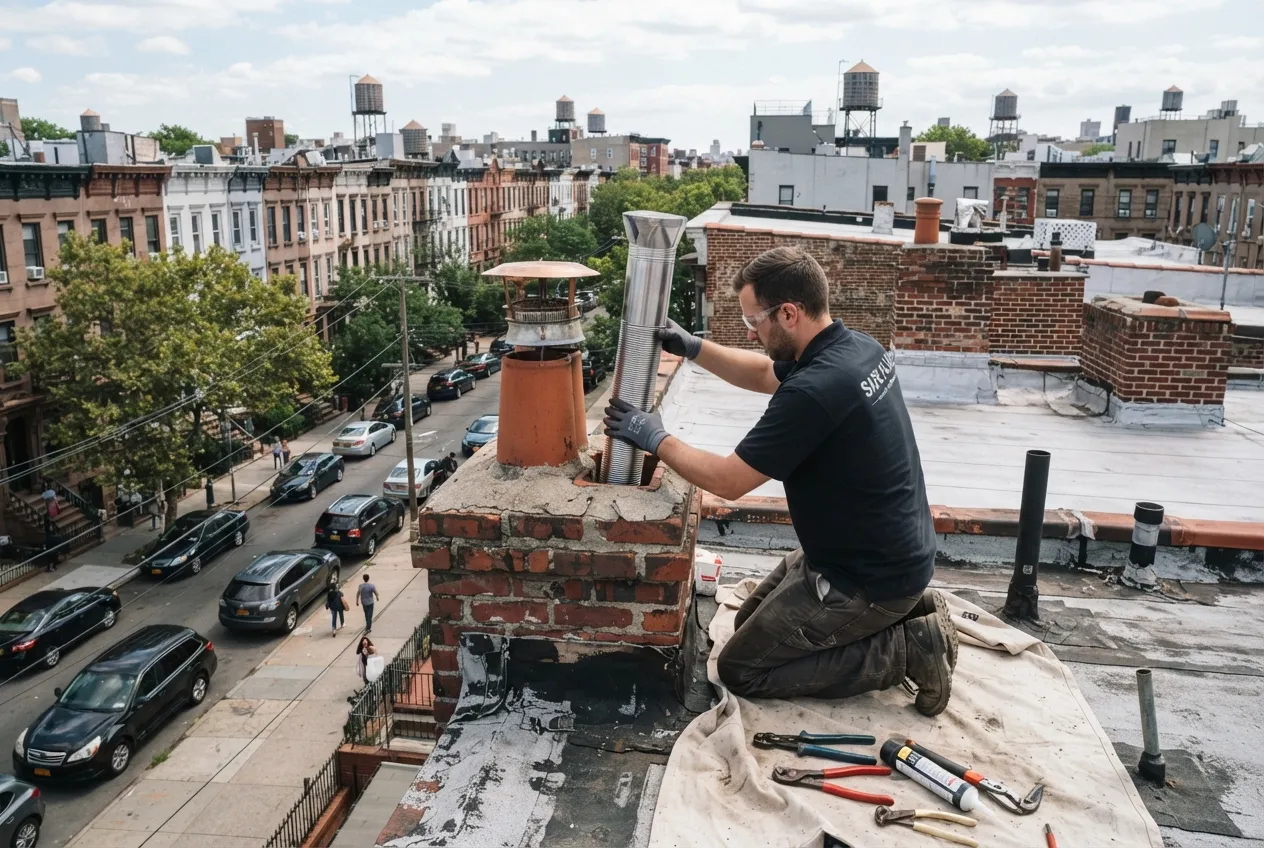
- Run the liner from the top of the chimney down to the appliance connection.
- Attach the fittings at the base.
- Seal and cap the top to keep out rain and animals.
Scheduling Around Heat Season
New York City's heat season runs from October 1 through May 31. During that time, building owners must keep apartments heated to the city's minimum temperatures. For owners of multifamily buildings in Sheepshead Bay, the boiler chimney is not something you want failing in January. Late spring and summer are the easiest times to reline, because the heating system can be shut down without affecting tenants.
We also serve nearby Manhattan Beach, Gerritsen Beach, Madison, Marine Park and Mill Basin, where much of the housing is similar.
More services in Sheepshead Bay
- Chimney Sweep in Sheepshead BayLocal service & repairs
- Chimney Inspection in Sheepshead BayLocal service & repairs
- Chimney Repair in Sheepshead BayLocal service & repairs
- Air Duct Cleaning in Sheepshead BayLocal service & repairs