The short answer
A chimney liner is a protective channel inside your flue that carries exhaust out of the home and shields the masonry from heat and corrosive condensate. Flatlands homes most often need one after an oil-to-gas boiler conversion, when old clay tiles are cracked, or when a new appliance is connected. We inspect first, then install a liner sized to your appliance.
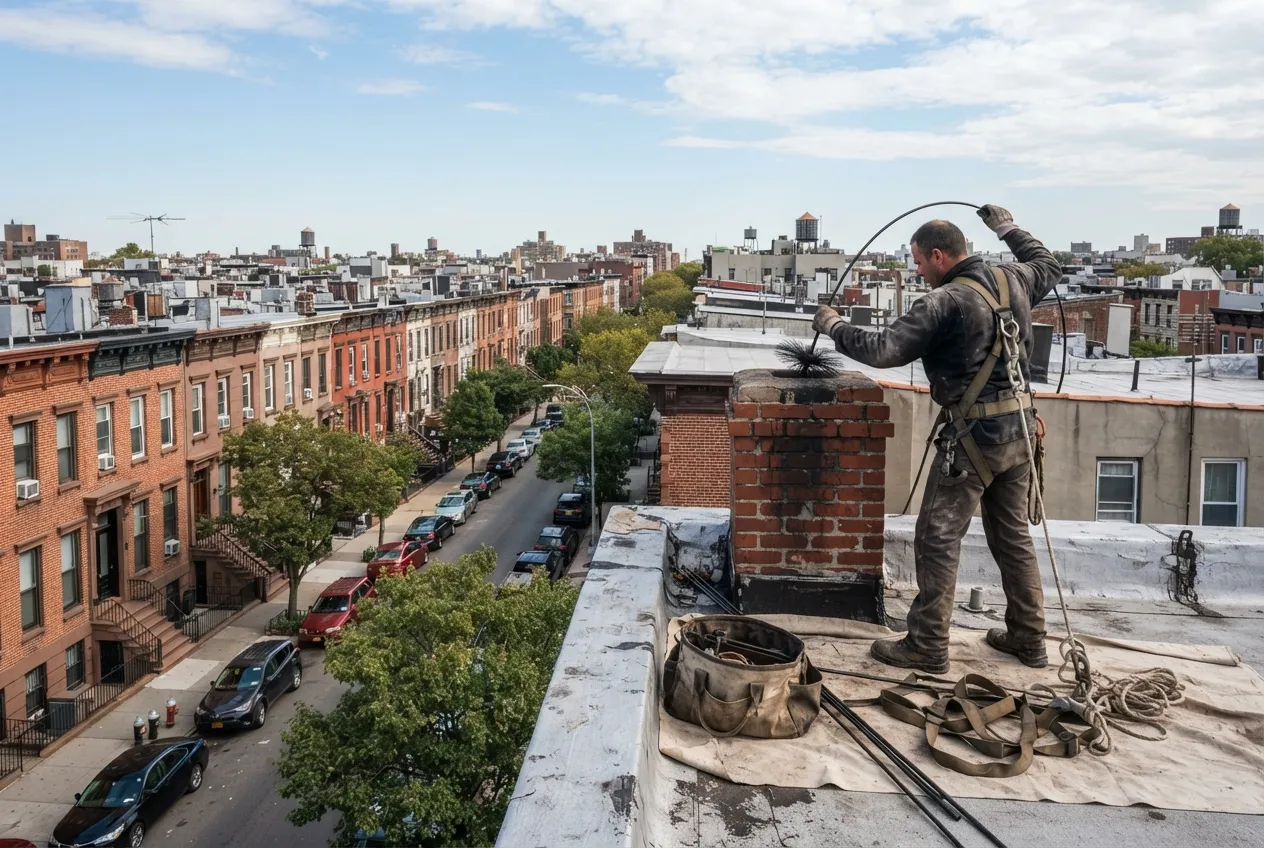
Many homes in Flatlands still vent a boiler, water heater or fireplace through an original masonry chimney. When the clay flue tiles crack, the mortar joints wear away, or the appliance connected to the chimney changes, a new liner is often what it takes to keep exhaust moving up and out of the house. ApexHearth Chimney Services installs chimney liners throughout Flatlands (ZIP 11210), about a mile from our Brooklyn office. Our certified technicians inspect the flue first, show you what they found, and size the liner to the appliance it will serve. That way you know why a liner is recommended before any work begins.
Why Flatlands Chimneys Often Need New Liners
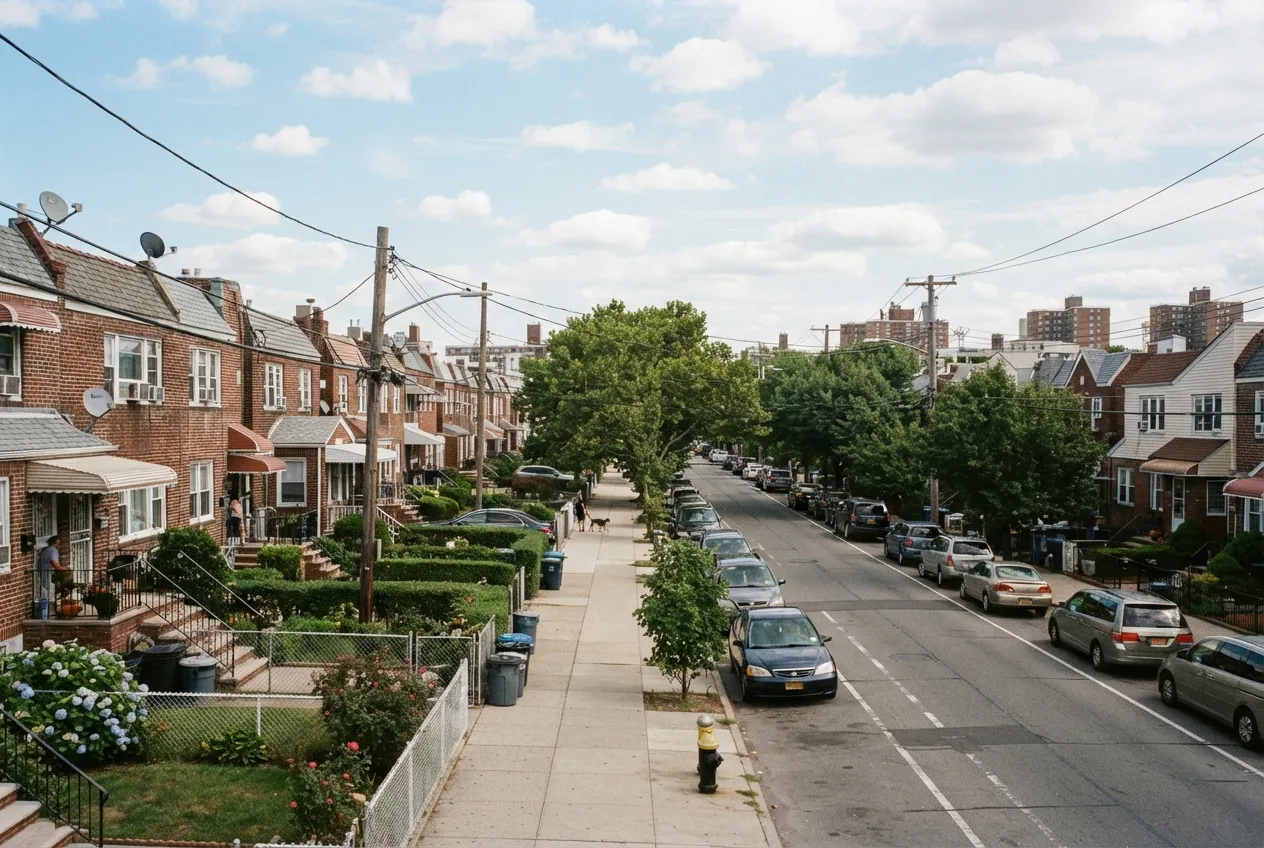
Flatlands has a mix of detached and semi-detached houses, attached rowhouses and small apartment buildings. Many of these chimneys were built with clay tile flues meant for the heating equipment of their time. Decades of heat cycles, freeze-thaw weather and water entry can crack those tiles or open gaps between them. When that happens, exhaust and heat can reach the brick and the framing around the chimney.
Fuel changes are the other common reason. When a New York City building converts its boiler from oil to gas, the chimney has to be evaluated as part of the work. A new liner is often needed because gas exhaust produces acidic condensate that can corrode a masonry flue. Newer high-efficiency boilers and water heaters may also need a smaller or different type of flue than the one already in the chimney.
Signs Your Flue May Need a Liner
Some warning signs are visible from inside the house. Others only show up during an inspection or a camera scan of the flue. Call us to take a look if you notice any of the following:
- Bits of tile, mortar or flaky debris collecting at the base of the chimney or in the cleanout
- Water stains, peeling paint or crumbling plaster on walls next to the chimney
- White staining or crumbling brick on the outside of the chimney, especially near the top
- A boiler or water heater that has recently been converted from oil to gas, or is about to be
- A new heating appliance being connected to an existing chimney
- Exhaust smells or backdrafting near the boiler or fireplace
Liner Options We Install
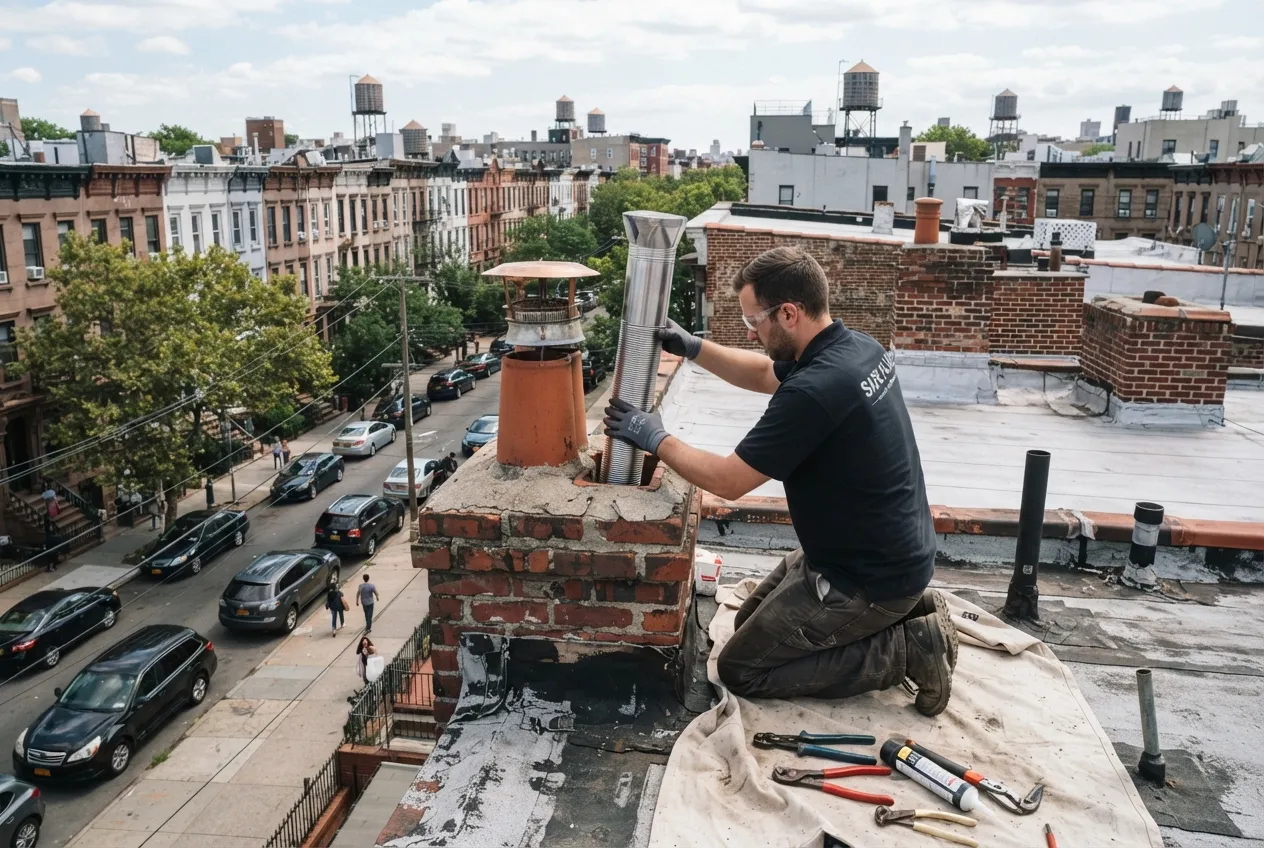
The right liner depends on what the chimney serves and the condition of the flue. Stainless steel liners, either flexible or rigid, are a common choice for gas and oil boilers and water heaters. They can be sized closely to the appliance, which helps the system draft properly. For fireplaces and some wood-burning setups, we discuss stainless steel systems and other options that suit the chimney's shape and use.
We do not pick a liner from a catalog before seeing the chimney. We look at the appliance's venting requirements, the flue's size and any bends or offsets, then recommend a liner that fits those conditions. If the chimney serves more than one appliance, we explain how each one should be vented.
Time for your annual chimney check?
How a Liner Installation Works
Most installations follow the same basic sequence. We keep you informed at each step so there are no surprises.
- Inspection of the chimney and flue, often with a camera, to confirm the condition and measure the flue
- A clear explanation of what we found and the liner we recommend
- Cleaning the existing flue so the new liner goes into a clear passage
- Installing the liner from the top of the chimney down and connecting it to the appliance
- Fitting a top plate and cap to keep out rain and animals
- A final check of the connection and draft, plus a walkthrough of the finished work
Timing Your Liner Work Around Heat Season
New York City's heat season runs from October 1 through May 31. During that period, building owners must keep apartments heated to the city's minimum temperatures. If you own a multi-family building in Flatlands, plan liner work so the boiler isn't down when tenants depend on it. Late spring and summer are usually the easiest times to schedule. If an inspection turns up a problem in the middle of winter, we'll talk through how to keep the heat running safely while the work gets done.
Liner work also fits naturally with yearly chimney care. The NFPA 211 standard calls for chimneys, fireplaces and vents to be inspected once a year. A more detailed Level 2 inspection is called for when the system changes, such as a new appliance or a switch of fuel, or when the home is sold. Besides Flatlands, we install liners in Marine Park, Mill Basin, Bergen Beach, East Flatbush and Canarsie.
More services in Flatlands
- Chimney Sweep in FlatlandsLocal service & repairs
- Chimney Inspection in FlatlandsLocal service & repairs
- Chimney Repair in FlatlandsLocal service & repairs
- Air Duct Cleaning in FlatlandsLocal service & repairs