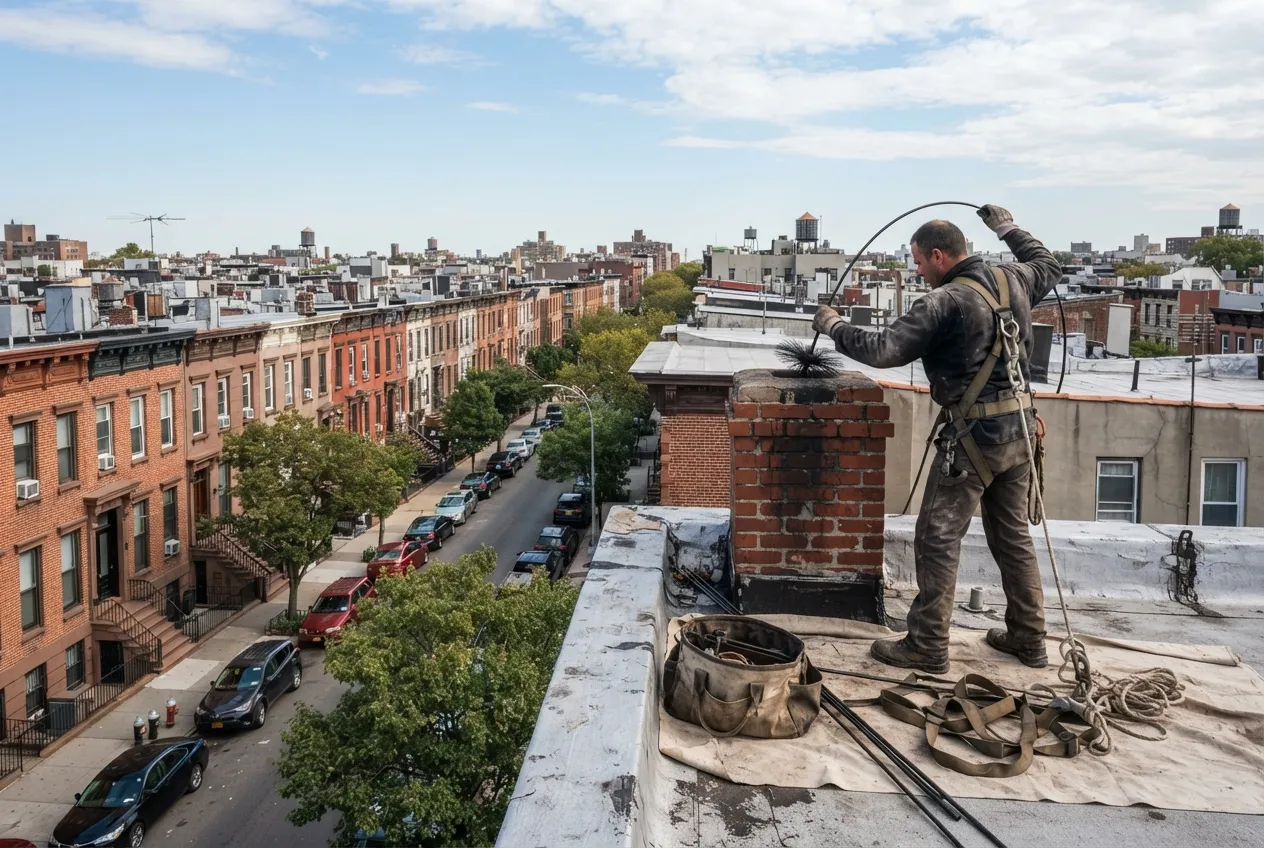
The short answer
You need a new chimney liner when the existing flue is cracked, missing, wrongly sized for your appliance, or not built for the fuel you now burn. Oil-to-gas boiler conversions are a common reason. Our certified technicians inspect the chimney, size a liner to your appliance, and install it so exhaust vents safely.
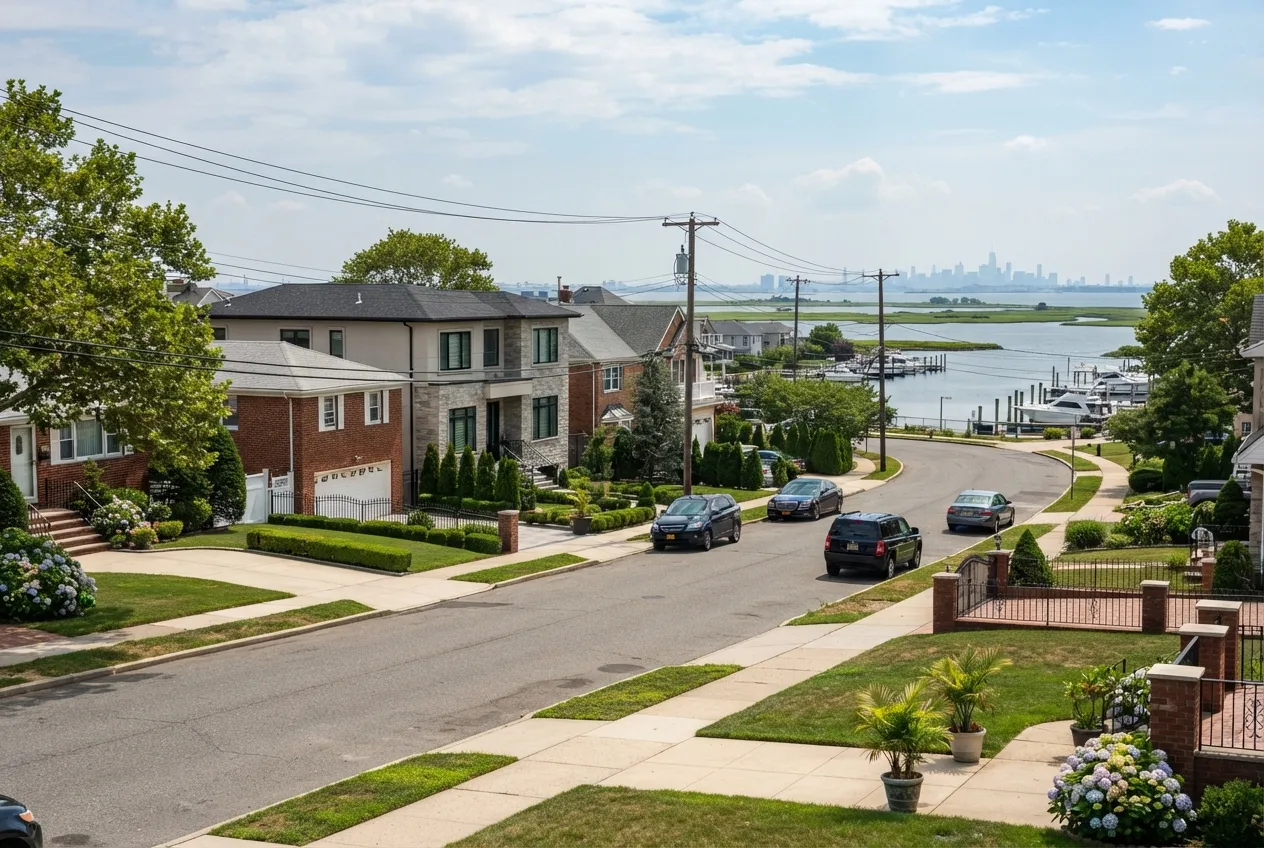
A chimney liner is the protective channel inside your chimney. It carries smoke and exhaust out of the house and keeps heat, moisture and acidic byproducts away from the brick, mortar and nearby framing. Many Mill Basin homes are detached or semi-detached houses with masonry chimneys that vent a boiler, a water heater, a fireplace, or some combination of the three. In those chimneys the liner does a lot of quiet work, and when it fails, the problems tend to show up slowly. ApexHearth installs chimney liners for homes in Mill Basin (ZIP 11234), about a mile southeast of our Brooklyn office. We also serve Marine Park, Bergen Beach, Flatlands, Madison and Canarsie.
Signs Your Mill Basin Chimney Needs a New Liner
Many older masonry chimneys were built with clay tile liners. Some were built with no liner at all. Over decades of heating seasons, clay tiles can crack, joints can open, and mortar can wash out. Homes near the water also deal with damp air and wind-driven rain, which can speed up wear on brick and mortar. You often can't see liner damage from inside the house, but there are clues worth paying attention to.
- Flakes of tile or crumbled mortar collecting at the base of the chimney or in the cleanout
- Water stains, peeling paint or white mineral deposits on walls near the chimney
- A boiler or water heater that has trouble drafting, or exhaust odors in the basement
- Brick spalling or loose mortar on the outside of the chimney
- A recent inspection that noted cracked tiles, gaps or an unlined flue
Oil-to-Gas Conversions and Why the Liner Matters
Plenty of Brooklyn homes have switched their boilers from heating oil to natural gas. When a New York City building converts from oil to gas, the chimney has to be evaluated as part of the work, and a new liner is often needed. Gas exhaust produces acidic condensate. Over time that moisture can eat away at a masonry flue that was perfectly adequate for oil.
A modern gas boiler or water heater also produces cooler, smaller exhaust than an old oil burner. An oversized old flue can let those gases cool too quickly, which leads to poor draft and more condensation. A properly sized liner keeps exhaust moving up and out. If you are planning a conversion, bring us in early so the chimney work fits your heating contractor's schedule.
Choosing the Right Liner for Your Home
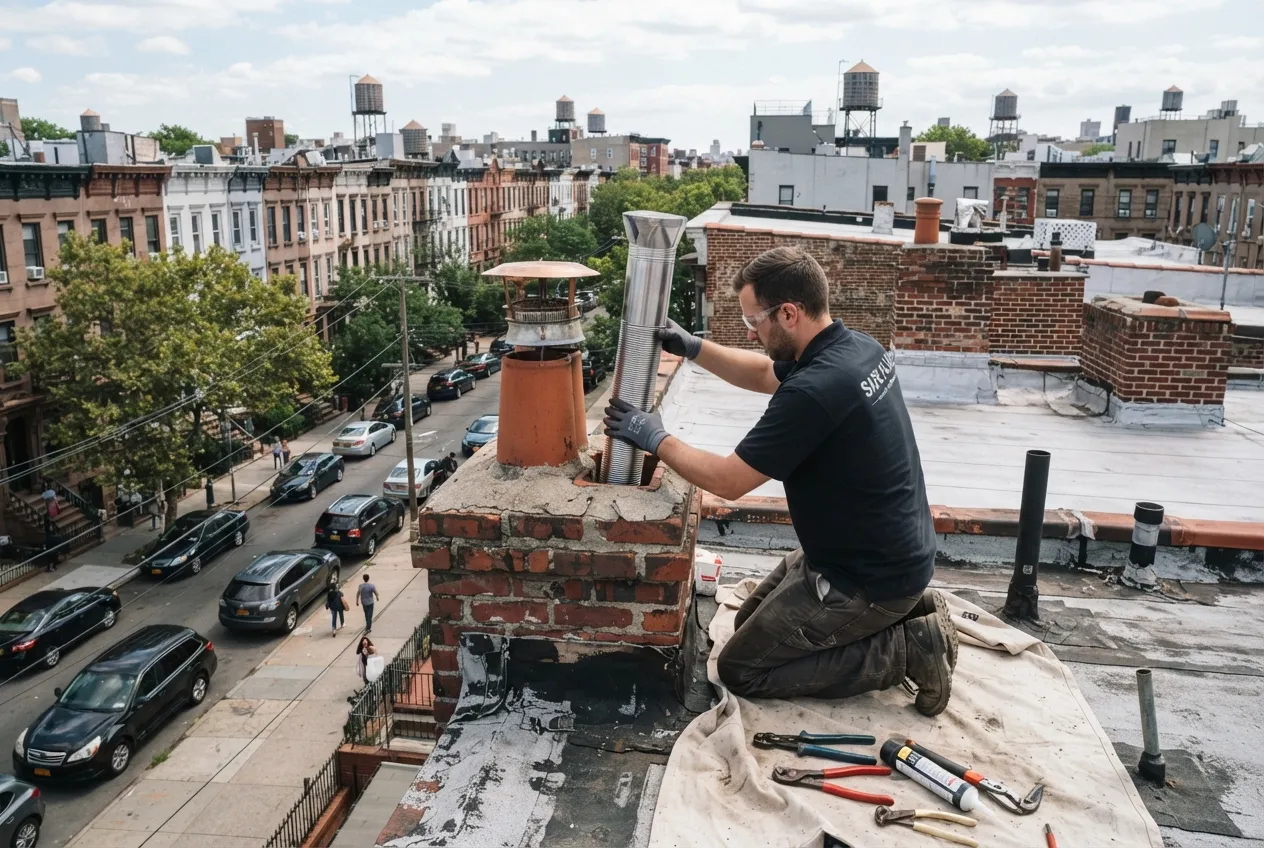
There is no single liner that suits every chimney. We match the liner to the appliance, the fuel and the shape of your flue. For most gas and oil boilers and water heaters, that means a stainless steel liner sized to the appliance's venting requirements. Where a chimney has offsets or bends, a flexible stainless liner can follow the path of the flue. For wood-burning fireplaces and stoves, we look at heat levels and clearances and add insulation where the installation calls for it.
When one chimney serves more than one appliance, we check whether each needs its own flue or whether a shared connection is acceptable under the manufacturer's instructions and code. We explain the options in plain terms before any work begins.
Time for your annual chimney check?
How Installation Works
The NFPA 211 standard calls for chimneys, fireplaces and vents to be inspected once a year. It also calls for a more detailed Level 2 inspection when the system changes, such as a new appliance or a switch of fuel. So liner work starts with a camera inspection of the flue. From there, the typical process looks like this:
- Inspect and measure the flue, and confirm the appliance's venting needs
- Clean the chimney and remove loose or damaged tile where necessary
- Lower the new liner from the roof and connect it at the bottom to the appliance or thimble
- Seal and cap the top to keep out rain, debris and animals
- Check draft and connections with the appliance running
Planning Around Heating Season
New York City's heat season runs from October 1 through May 31. For homeowners, that's when the boiler is working hardest and a chimney problem is most disruptive. Scheduling liner work in late spring or summer gives you the most flexibility. If a problem turns up in the middle of winter, we'll explain whether the appliance can run safely in the meantime and how to keep the home heated while the liner is installed.
More services in Mill Basin
- Chimney Sweep in Mill BasinLocal service & repairs
- Chimney Inspection in Mill BasinLocal service & repairs
- Chimney Repair in Mill BasinLocal service & repairs
- Air Duct Cleaning in Mill BasinLocal service & repairs